Reusable Water solutions
Transform. Reuse.
We transform wastewater into a valuable resource, closing the loop for your manufacturing operations. Our advanced treatment turns output into high-quality input, driving sustainability and efficiency.
Why Reusable Water Matters?
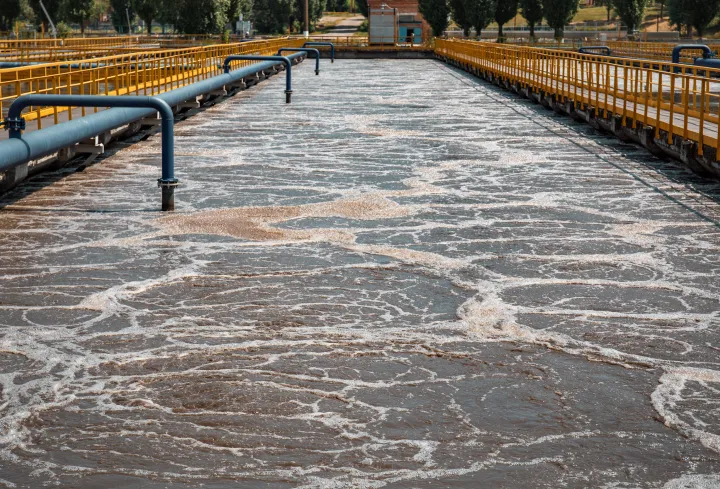
Traditional water treatment ends with discharge – we go further by making water reusable. This Zero Liquid Discharge (ZLD) approach recovers over 90% of water for processes like cooling towers, boiler feed, and rinsing. Manufacturers reduce freshwater intake by up to 75%, cutting costs and environmental impact.
Our Process
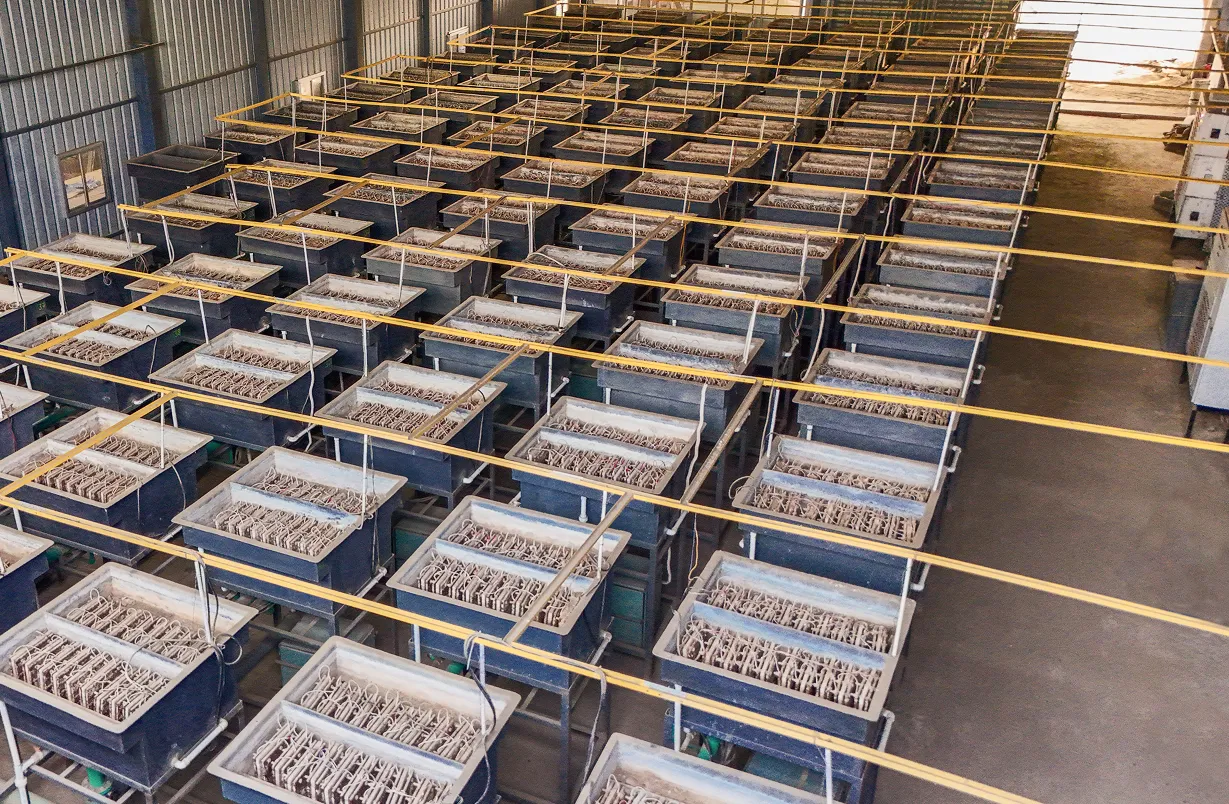
At Jaskan, water doesn’t just go through a plant, it goes through our patented electrochemical nanotechnology engine. Our custom‑tailored nano‑enabled electrodes target contaminants at the molecular level, transforming complex industrial wastewater into high‑quality reusable water in a single, compact train.
Unlike conventional chemical‑heavy systems, our process runs on smart electrochemistry and advanced nanomaterials, achieving very high recovery with near‑zero chemical dosing, minimal sludge, and a far smaller footprint. Each solution is engineered around your specific process, load, and quality requirements, so the treated water flows back as a reliable input into cooling towers, boilers, rinsing lines, and other critical operations – with the consistency of a utility, not a waste stream.
Key Benefits
- Zero Liquid Discharge (ZLD): Zero Liquid Discharge (ZLD) is achieved via our proprietary process.
- Reliability: Onsite recycling ensures supply stability amid shortages.
- Sustainability: Achieve compliance, reduce discharge to zero, and meet ESG goals.
- Resource Recovery: Extract salts or minerals as byproducts for added value.
Real-World Impact
Adani Total Gas Case Study: Surat Plant
- Challenge
- Jaskan Solution
- Results (Till Feb 2026)
- Other Wins
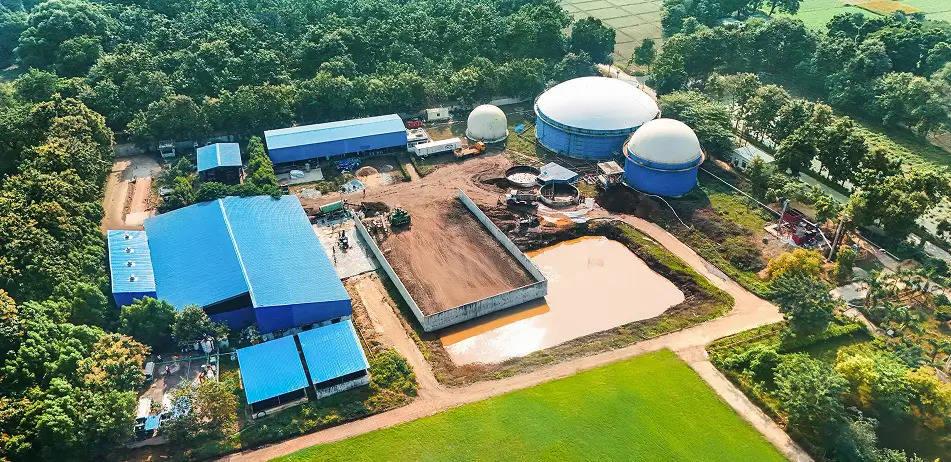
Adani Total Gas faced rising water demands and stringent discharge norms at their Surat facility, generating industrial wastewater from operations that strained local resources.
In November 2023,
we commissioned a 1.8 MLD (657 million liters per year capacity) treatment plant powered by our patented electrochemical nanotechnology. This custom system processes complex industrial wastewater, achieving 90-95% recovery rates to deliver process-grade reusable water.
1.5 billion liters total water treated and reused as manufacturing input.
2.2k tonnes methane emissions avoided.
69k tonnes CO2 emissions reduced – equivalent to removing 15,000 cars from roads annually.
Regulatory Excellence: Meets Gujarat Pollution Control Board standards for Zero Liquid Discharge, eliminating effluent discharge risks.
Operational Efficiency: Minimal chemical use and sludge via electrochemical nano-process cuts maintenance by 40-50% vs. traditional systems; 100% uptime since commissioning.
Sustainability Milestone: Supports Adani’s broader ZLD and green goals in Surat’s water-stressed hub, enhancing ESG reporting.
Scalable Model: Compact footprint enables easy expansion; positions Adani Gas as Gujarat leader in circular water economy.
FAQ
Can industrial wastewater be reused across all types of industries?
Yes, but reuse potential depends on the wastewater composition and quality requirements of each industry. Water-intensive sectors like textiles, pharmaceuticals, food processing, and power generation benefit the most from reuse systems.
What treatment is needed to make reclaimed water safe for irrigation vs. industrial process use vs. drinking?
Irrigation requires tertiary treatment with UV disinfection. Industrial reuse needs advanced filtration like reverse osmosis to remove dissolved salts. Drinking water demands the highest level, full advanced purification including ozonation and nanofiltration before meeting potable standards.
Can municipalities use treated wastewater for drinking water supply?
Yes, through a process called Direct Potable Reuse (DPR), but it is heavily regulated and rare. In India, treated municipal water is currently approved for non-potable purposes only.
Is treated wastewater suitable for irrigation and crop production?
Yes, when treated to WHO or local quality standards, there is no significant health risk for crop irrigation. Tertiary-treated wastewater is widely used in agriculture globally.
How is treated wastewater different from recycled water?
Treated wastewater is processed water that may not yet meet reuse-grade standards. Recycled water is treated to a higher quality, making it fit for a defined purpose. All recycled water is treated wastewater, but not vice versa.
What is water reclamation?
Water reclamation is the process of treating wastewater to meet defined quality standards for beneficial reuse. It is what transforms industrial or municipal waste into a usable resource.
What is Zero Liquid Discharge (ZLD)?
ZLD is a wastewater treatment approach where no liquid effluent is discharged from a facility. Nearly all the water is recovered and reused, while remaining impurities are reduced to dry solids.
How is industrial effluent treated and reused?
Industrial effluent goes through 3 step process — removing solids, breaking down organics, and filtering dissolved contaminants. The recovered water is then reused in cooling systems, boilers, or process lines.
What is India's treated water reuse policy?
India’s National Water Policy 2012 mandates recycle and reuse as the standard norm, with water treated to prescribed quality levels before reuse in agriculture or industry. Gujarat leads with its own 2018 reuse policy, and thermal power plants are mandated to use treated sewage water from nearby STPs under the Power Tariff Policy 2016.