Industrial Wastewater
Reimagine Remediate
Across the world’s industrial heartlands, from chemical plants in Germany’s Ruhr Valley to textile mills in Bangladesh’s Dhaka region, pharmaceutical units in Switzerland’s Basel area to electroplating facilities in China’s Guangdong Province.
One reality remains unchanged: Conventional effluent treatment plants are choking on the very waste they’re designed to manage.
Prevailing Approaches Falls Short
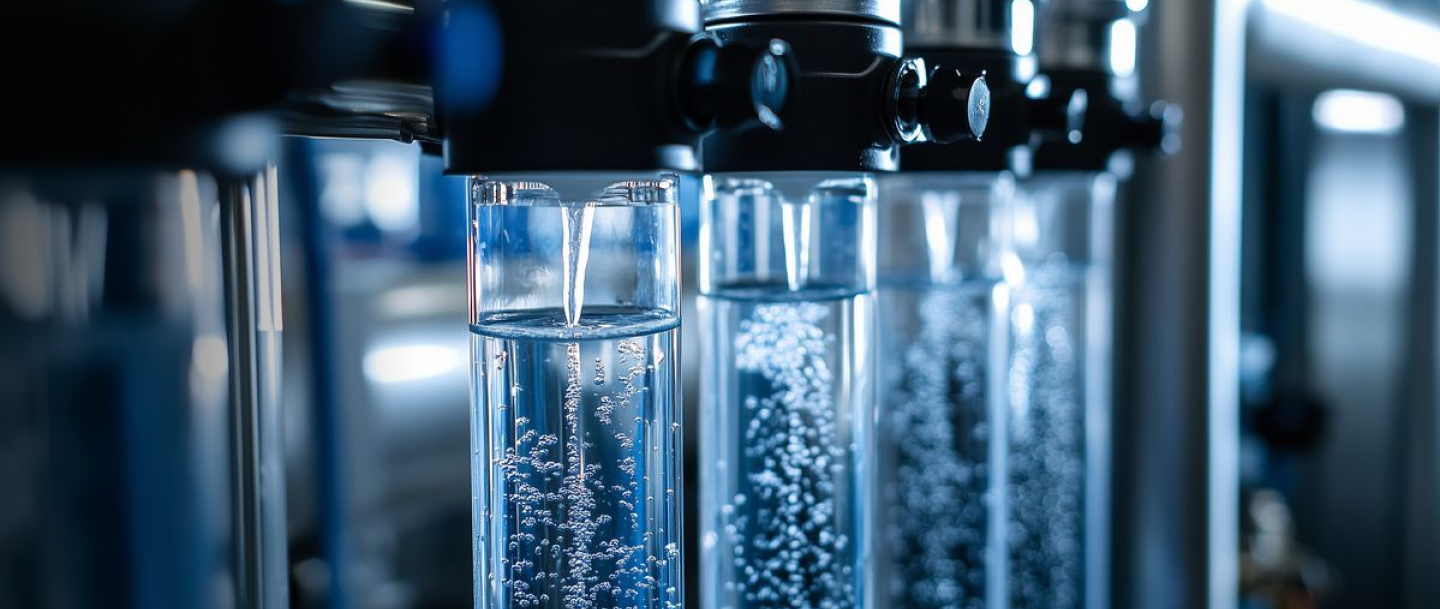
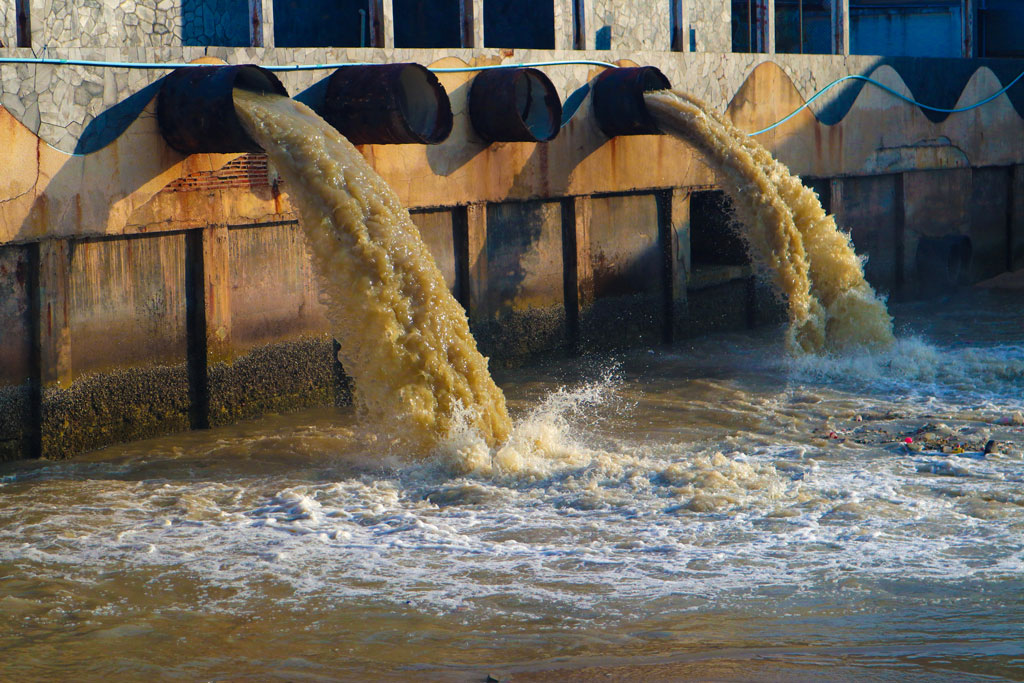
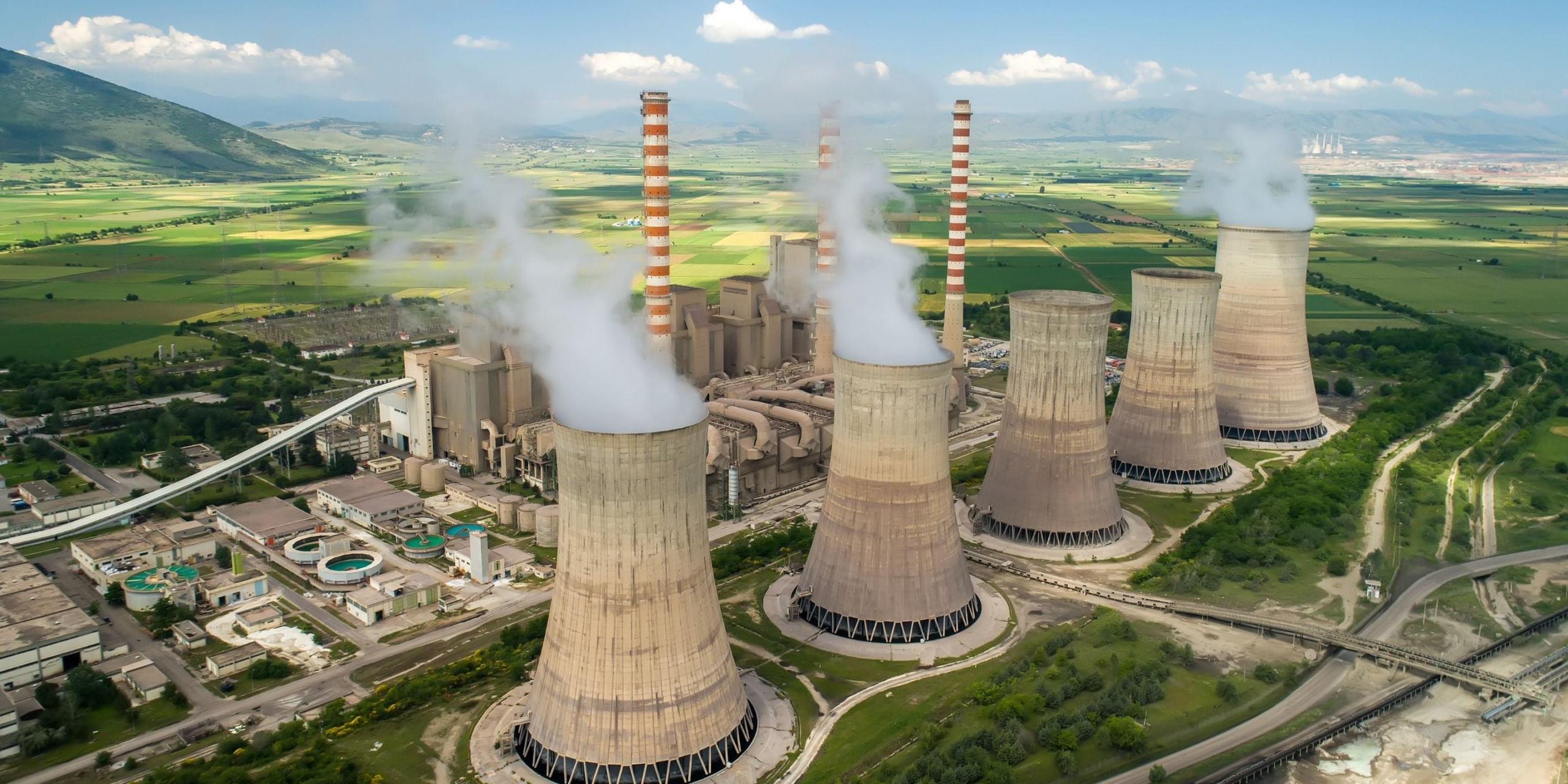
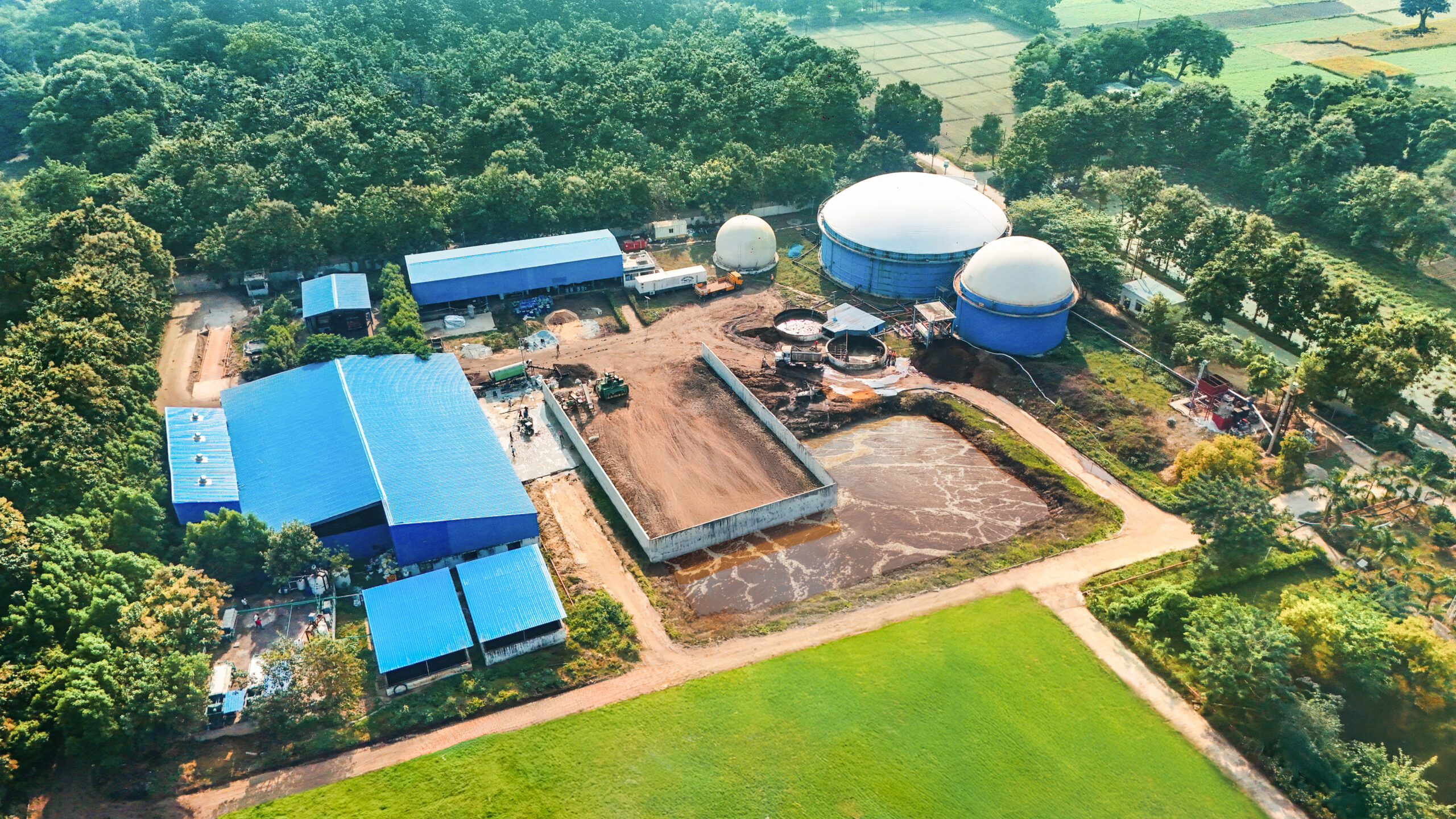
For decades, industries have relied on biological treatment systems: microbes breaking down pollutants in massive concrete basins, generating methane and nitrous oxide as byproducts. These plants occupy vast land, produce mountains of toxic sludge, and consume chemical after chemical just to end up using more chemicals.
The result?
Industrial effluent remains one of mankind’s greatest environmental hazards.
Numbers Tell a Stark Story
- Treating 1.3 Bn* litres of industrial effluent through conventional methods
- Generates approx. 897,000 tonnes* of CO₂-equivalent emissions
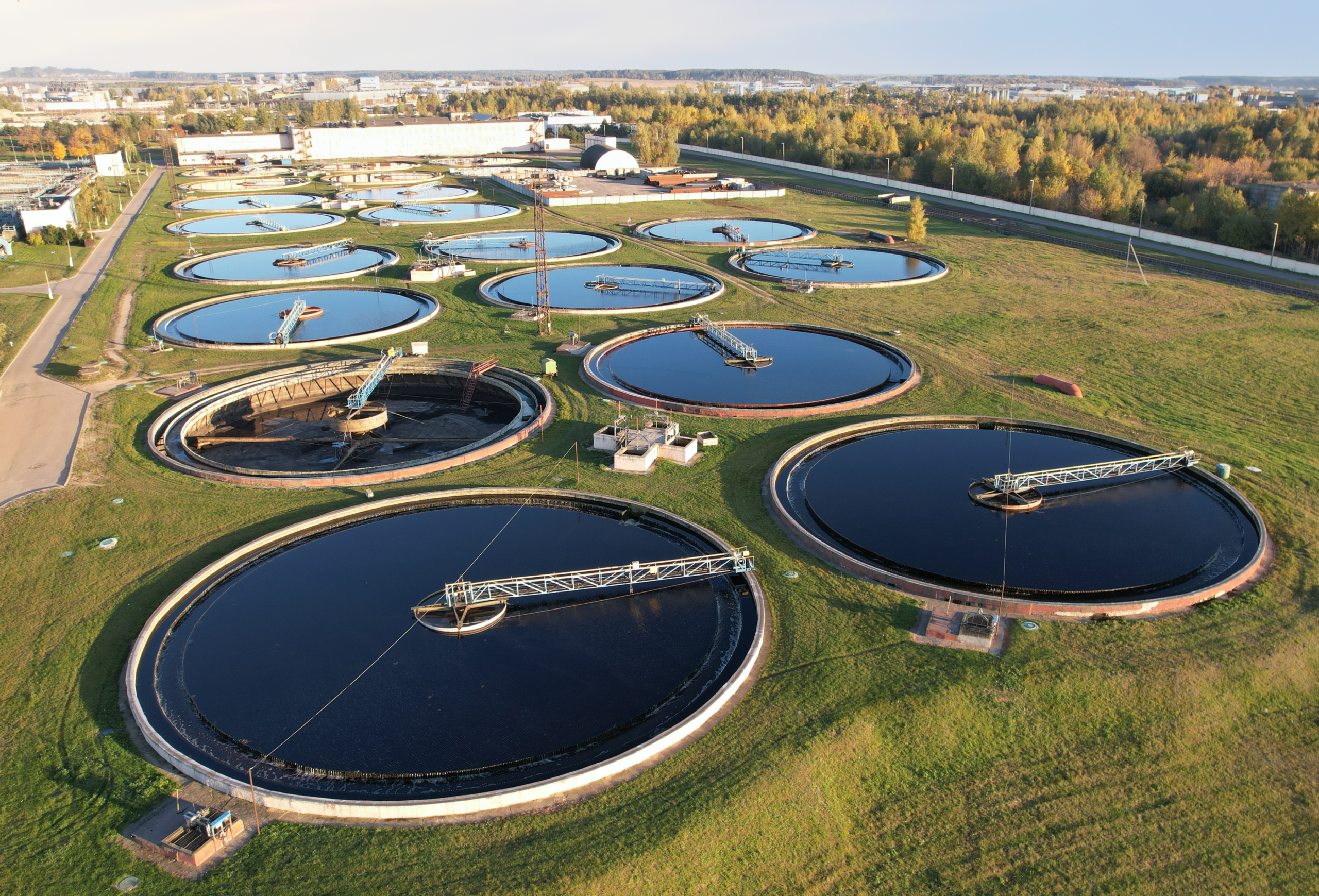
traditional effluent treatment plant
results of Jaskan's electrochemical approach
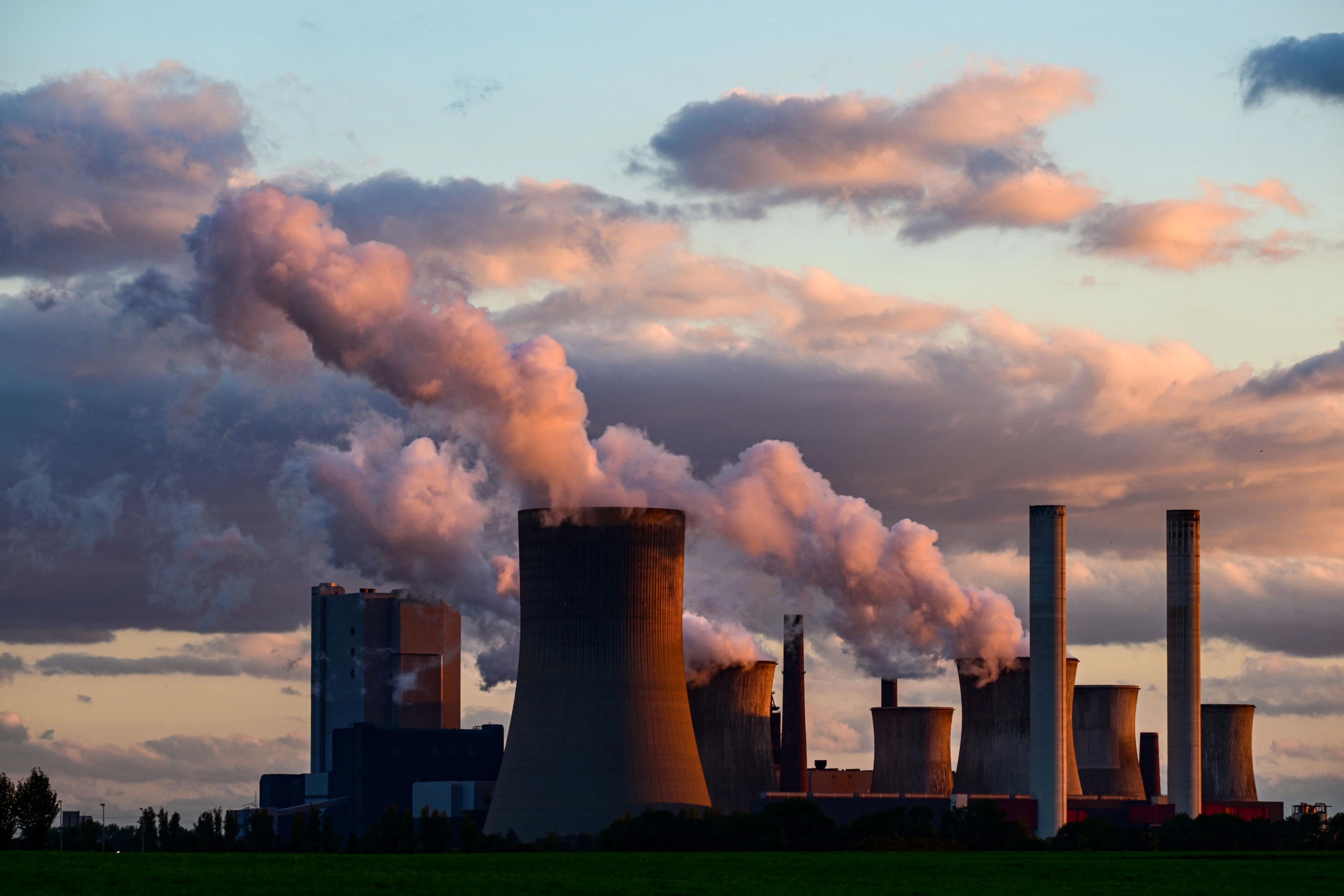
of methane eliminated
Why This Matters?
When Adani Gas, Rupa Banyan, Anupam Rasayan, and Aether Chemicals chose Jaskan, they weren't just solving an environmental compliance, but they're paying attention to Nature, Science, Ecology, Compliance and Future. They were redefining what's possible in industrial water management:
For Clients
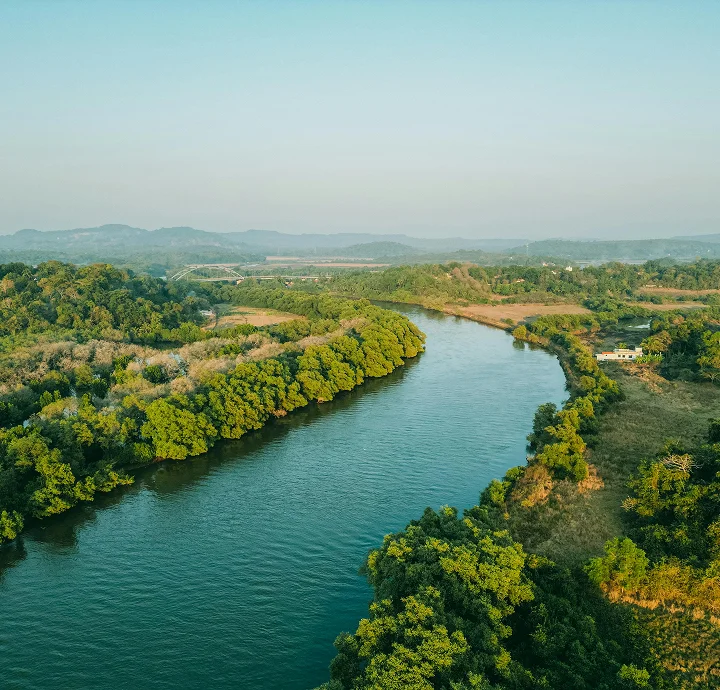
For Nature's Ecosystem
For India's Climate Goals
Disclaimer: Above data is a result of our primary study based on regular tests of treated water.
The Real Question
This isn't just wastewater treatment. This is an industrial transformation. The question for other industries isn't whether they can afford electrochemical purification, It's whether they can afford not to.
Disclaimer: Above data is a result of our primary study based on regular tests of treated water.