Urban sewage
Reclaim. Remediate.
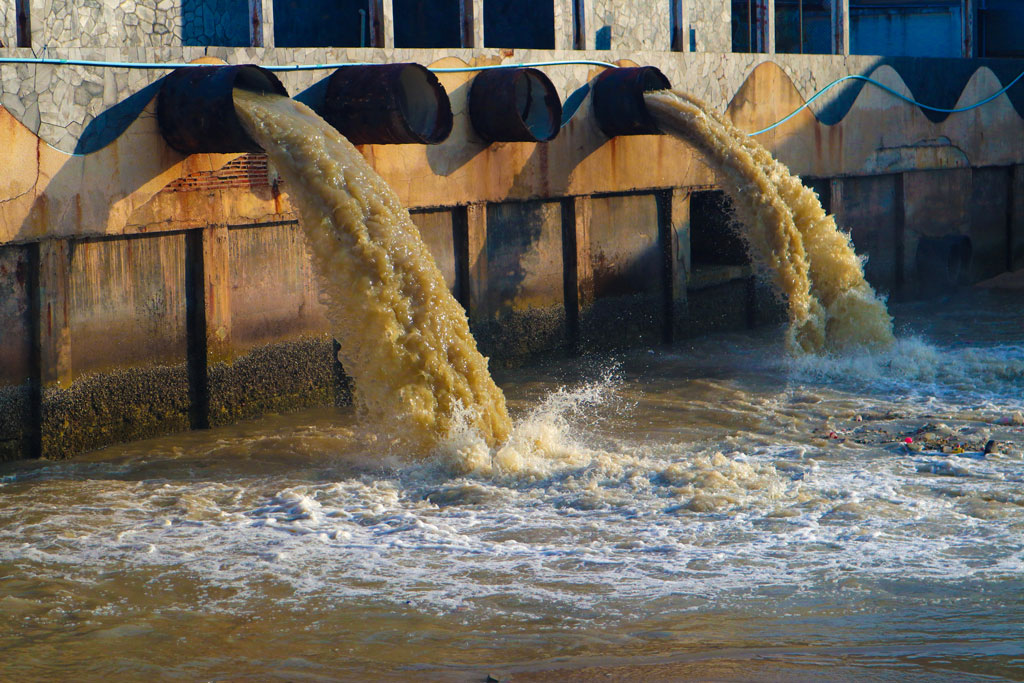
Every city tells the story of its sewage in the color of its rivers. The Thames once choked London. The Seine suffocated Paris. The Ganges carries invisible poison through South Asia.
The reason is brutal in its simplicity:
Globally over 360 billion* litres of wastewater is generated daily. Only 55%* is treated. The rest 162+ billion* litres flows untreated into rivers, lakes, and oceans – poisoning groundwater, creating hypoxic dead zones, and collapsing aquatic ecosystems worldwide.
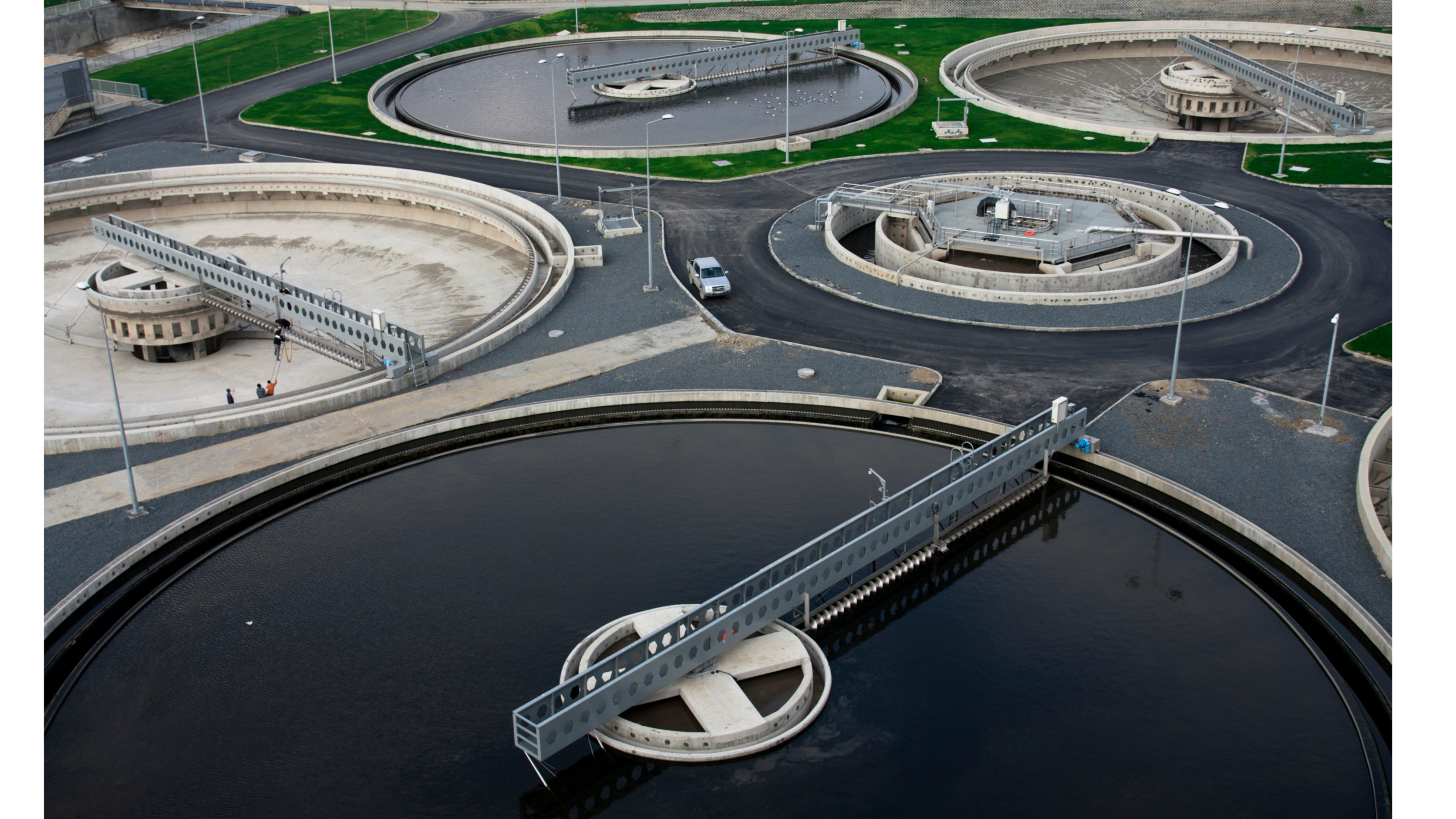
The Conventional Plant's Major drawbacks
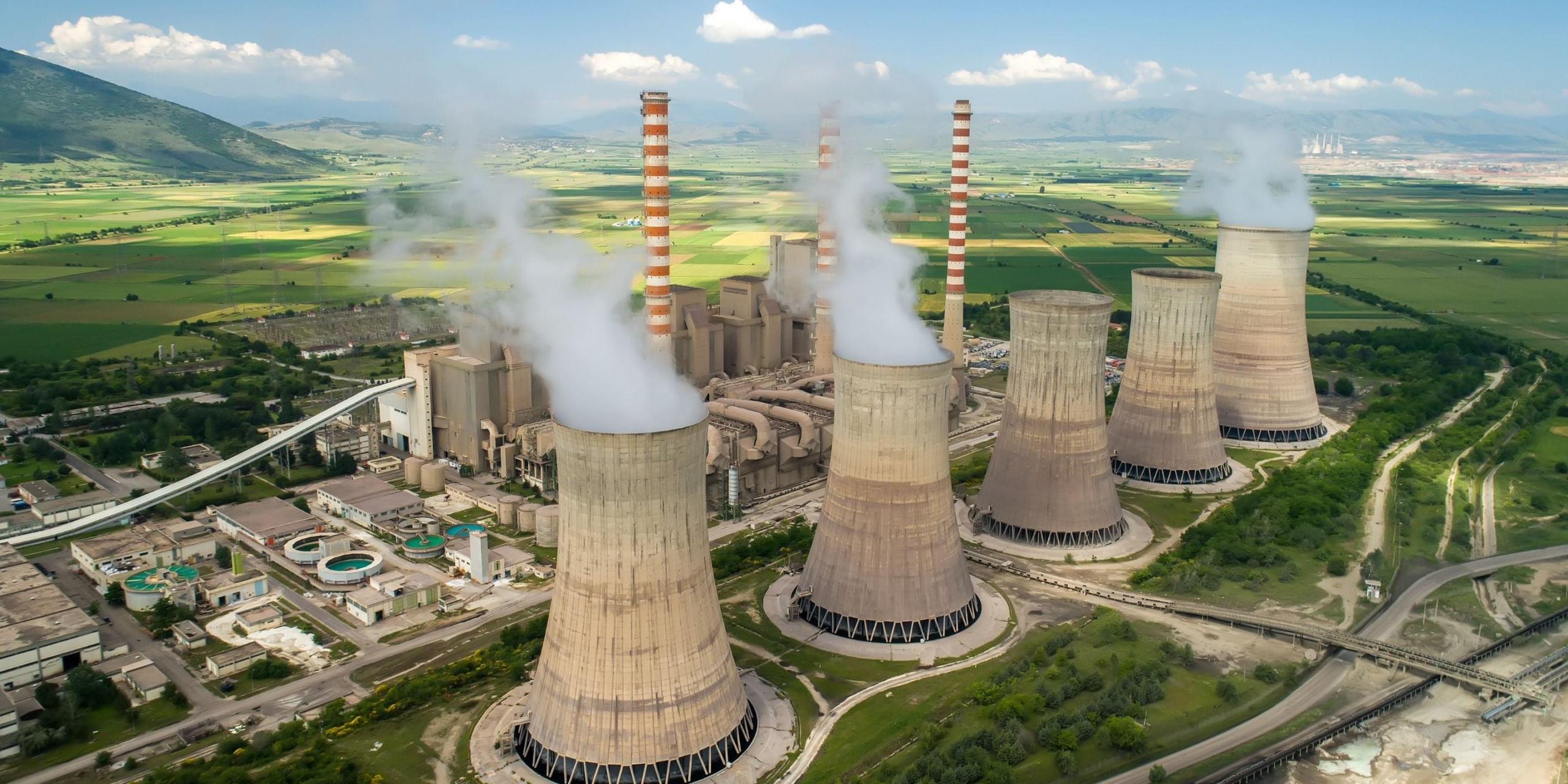
Municipal sewage treatment plants are supposed to be our solution. But conventional biological systems activate sludge, oxidation ditches, lagoons do far more than just treat waste. They generate it:
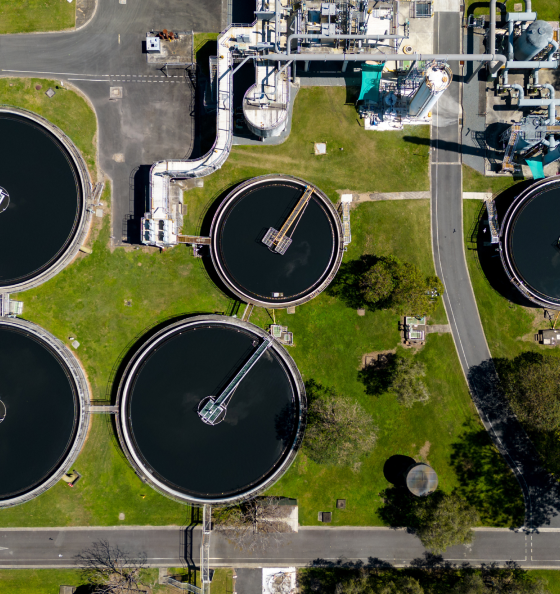
And the emissions? They’re staggering.
- 365 Mn* litres of sewage generated through conventional methods
- 2,52,000 tonnes* of C02 equivalent emissions generated
Municipal Wastewater Plant
results of Jaskan's electrochemical sewage solution
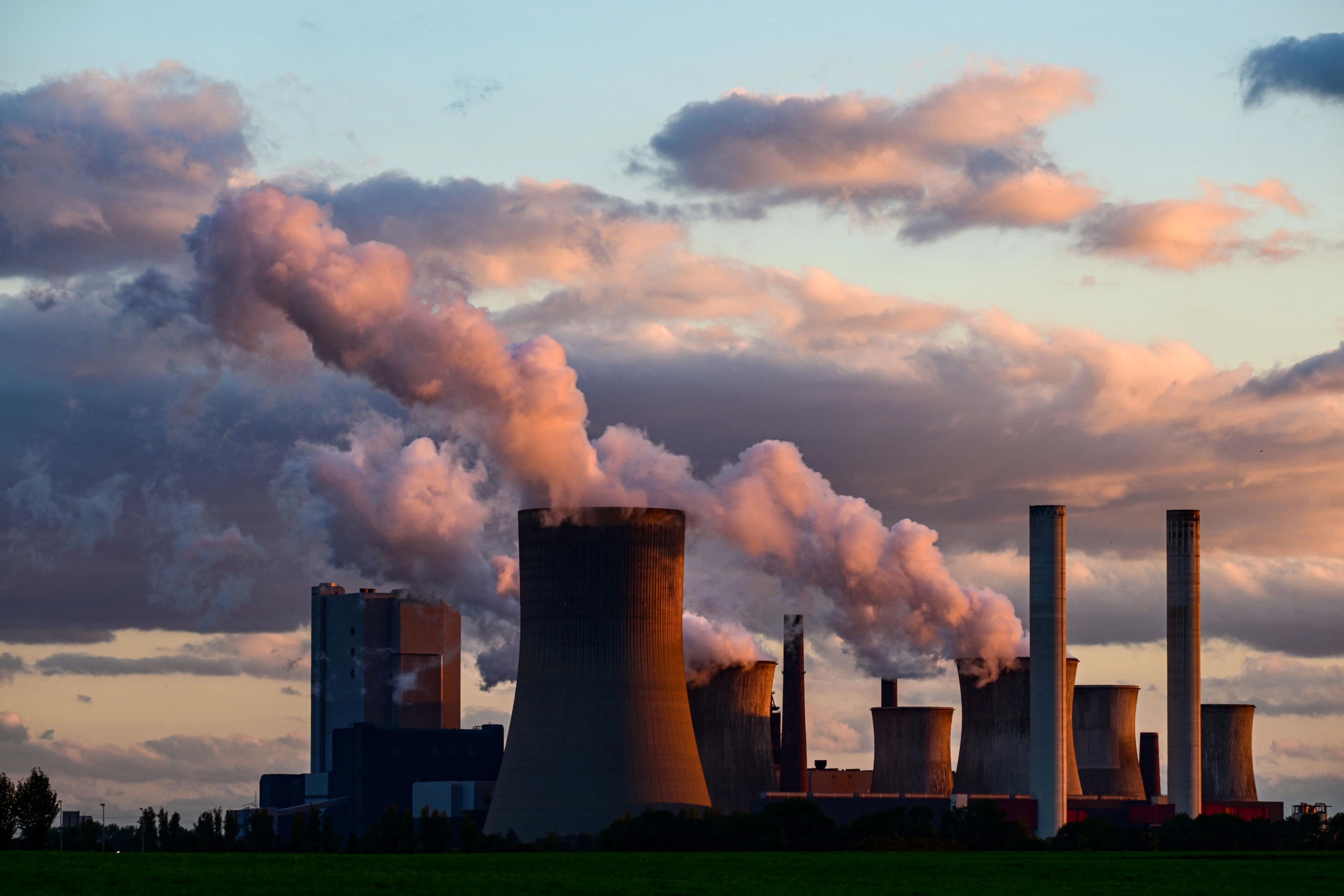
of Methane prevented
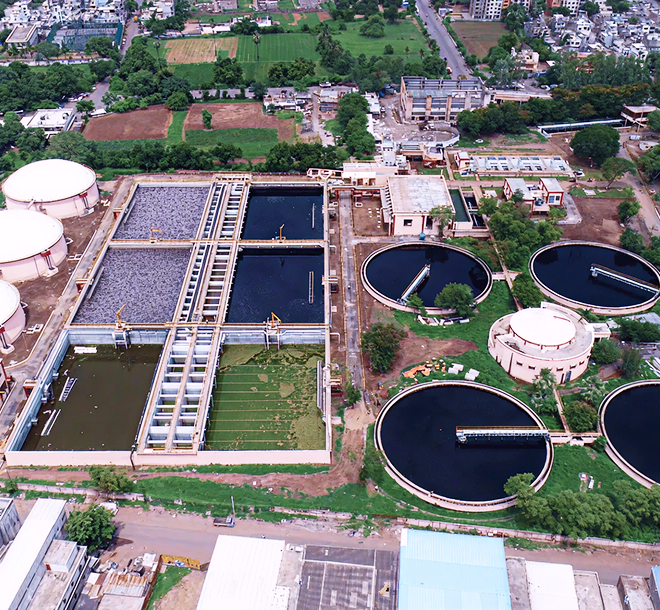
Why Surat Municipal Corporation (SMC) Chose a Different Path?
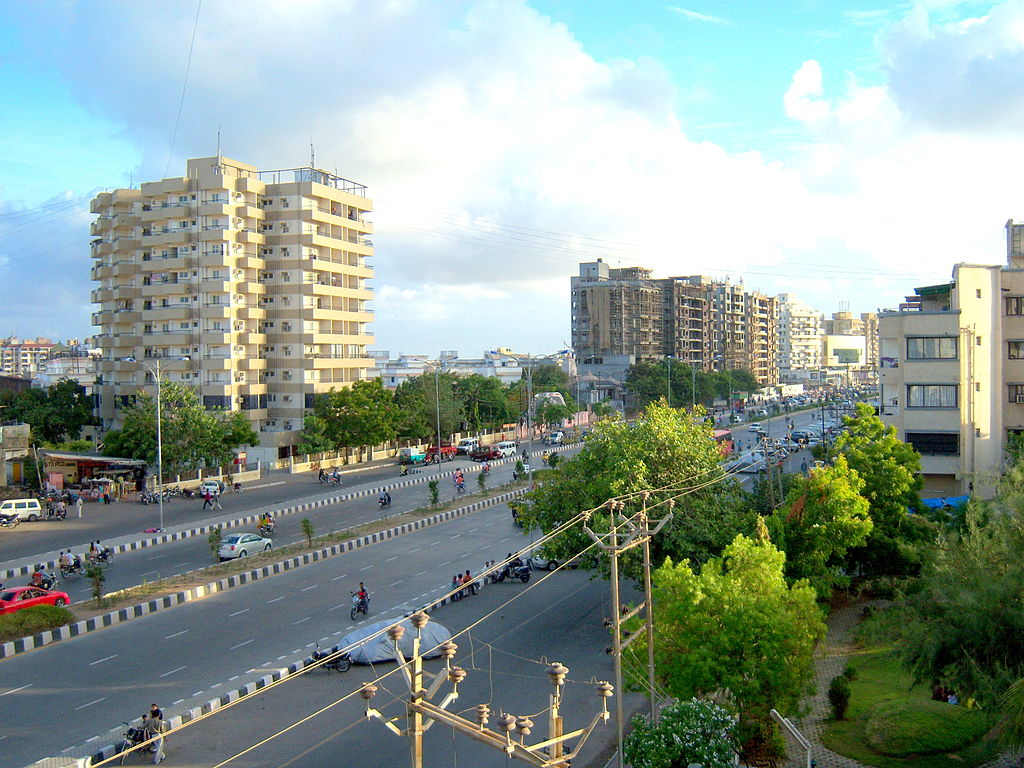
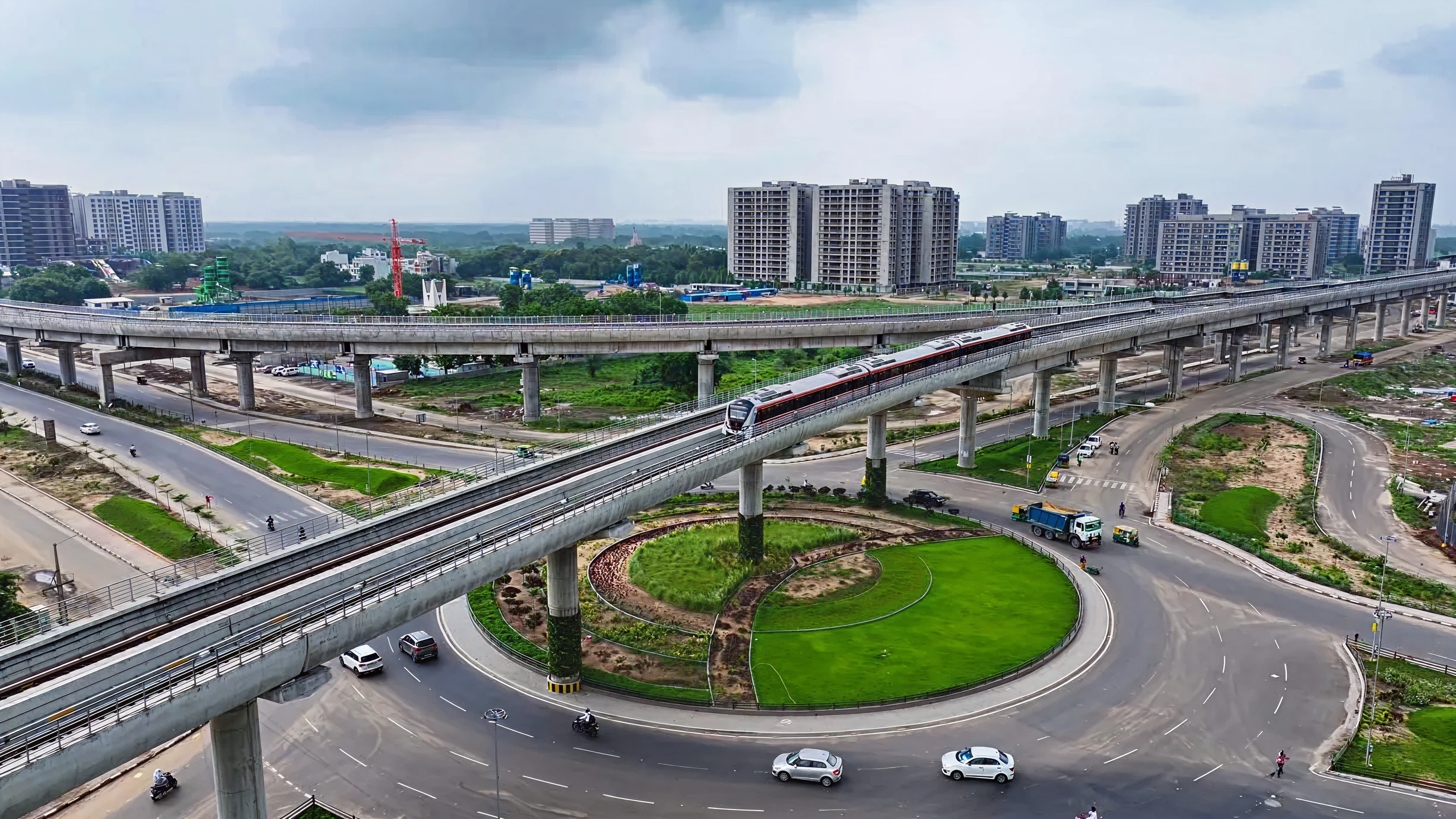
When SMC (Based out of Gujarat, India) recognized that Surat's sprawling lagoons couldn't keep pace with urban growth, they made a strategic decision: Embrace technology that solves the problem at its root, not just masks it. The results speak for themselves:
For Citizens

For Surat's Ecosystem
For India's Urban Future


Disclaimer: Above data is a result of our primary study based on regular tests of treated water.
Traditional plants have had 50 years to prove they’re adequate
They’ve failed—not because the technology isn’t competent, but because…
- It was never designed for this challenge.
- Methane and nitrous oxide emissions.
- Chemical-dependent operations.
- Space constraints in densely populated cities.
- Low water recovery.
Disclaimer: Above data is a result of our primary study based on regular tests of treated water.