Treated Water: The New Life-Saving Resource
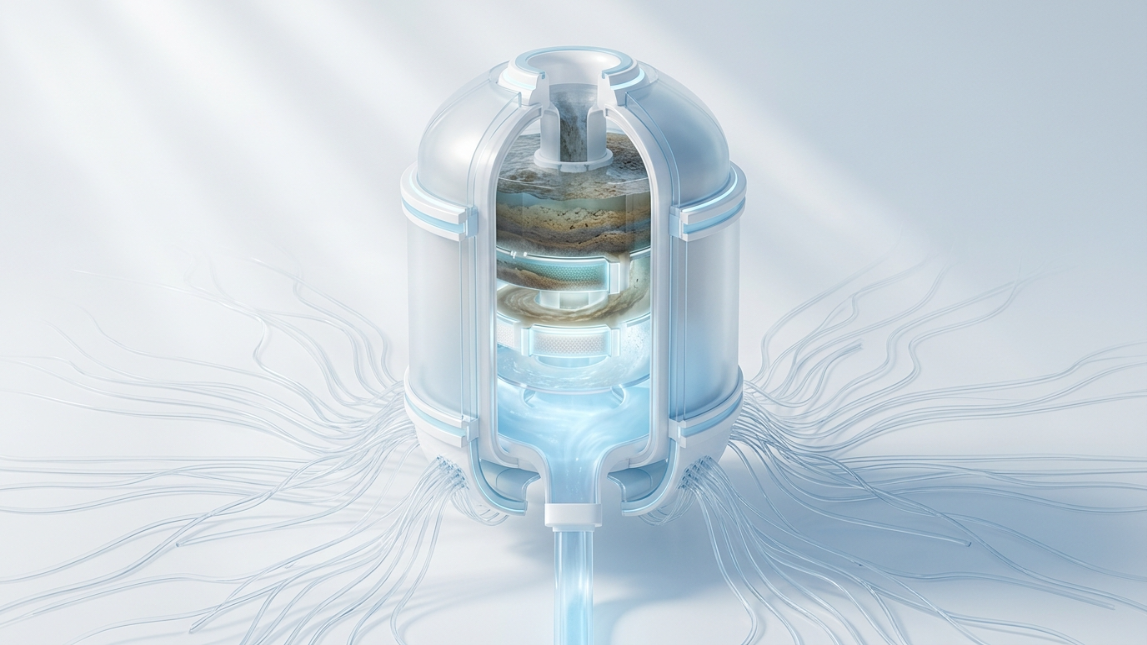
Treated Water - the New Life-Saving Resource
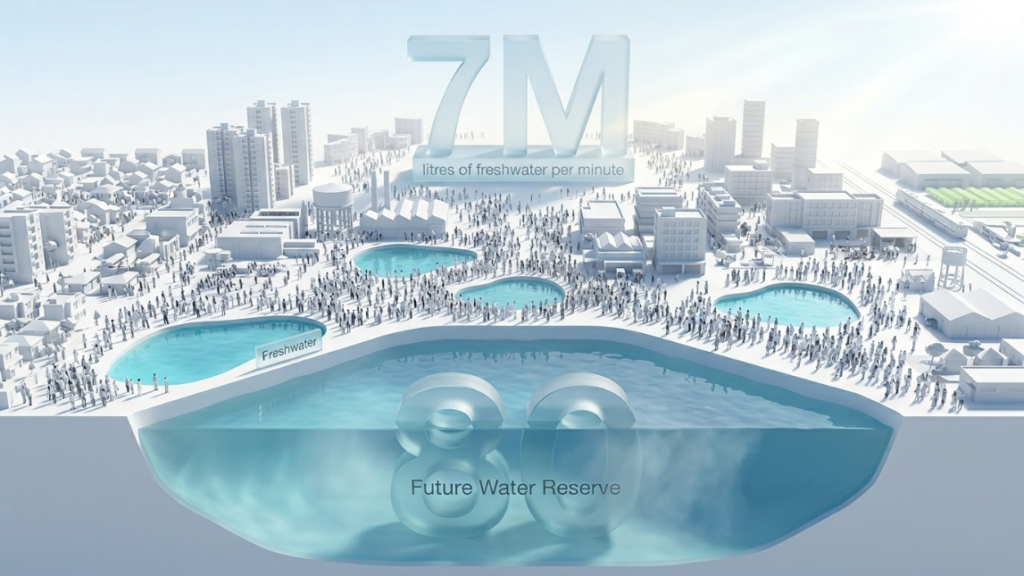
The world consumes approx. 7mn litres of freshwater every minute. By 2030, global water demand is projected to exceed the available supplies by over 40% in most regions of the world.
Meanwhile, as much as 80% of wastewater generated globally still enters the environment without adequate treatment. But what if one of the largest water reserves of the future is not nestled underground, stored behind dams, or frozen in glaciers, but rather already flowing through our neighbourhoods and industries every single day?
Wastewater has always been a Potent Raw Material
For centuries, the infrastructure of water systems followed a conservative system - extract the freshwater, distribute, utilise, and discharge it. While the model has helped power agriculture, urbanisation, industrialisation, and thus economic growth across the world, today, however, the approach needs to be different.
Explosive growth in population, expansion of industries, depletion of groundwater, climate change, regulatory infringement, and inflating utility costs are forcing governments and businesses to pursue water systems to be adapted differently within larger social structures. Increasingly, the most valuable source of water for the future is not going to be new reservoirs or bigger, wider, deeper river basins, but water that has already been used more than once.
Across industries and municipalities alike, waste water management, sewage water management, and water reuse are moving from being mere environmental obligations to strategic, infrastructural priorities.
Jaskan deep dives into understanding how water functions in cities, industrial clusters, agricultural estates, manufacturing units, and resource-intensive corporations and businesses.
A trend which frequently emerges across geographies and sectors is that ‘water is no longer being viewed only as a utility. It is increasingly being viewed as a ‘recoverable asset’ . Be it urban and municipal sewage, industrial discharge, coolant blowdown, processed sludge water, slurry streams, or chemical effluent liquid, organisations, industries and corporations have started to ask more important questions: “How much reusable water is leaving our systems daily?”
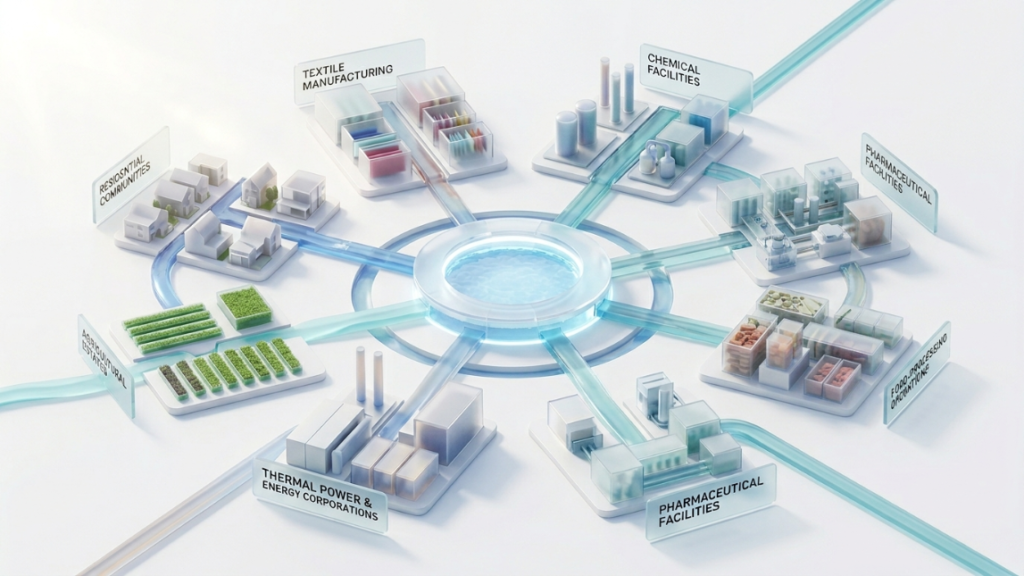
Wastewater is usually only associated with sewage. In reality, however, wastewater comes in many forms, as well as qualities. While urban and peri-urban residential communities generate domestic sewage, textile plants discharge colour-bearing process water consisting of dye residues, salts, and wash streams; chemical manufacturers deal with highly variable effluents containing both organic and inorganic chemicals; food-processing facilities, on the other hand, generate high biological volume; pharmaceutical operations produce complex contaminant materials; and energy corporations and thermal power plants, as well as industrial operations, maintain their cooling water systems, manage the discharge streams, and run on water-intensive infrastructures.
Every sector creates wastewater in one form or another, and treats and manages it differently, which means every sector requires a different, customised water treatment process and strategy.
All of them share one common opportunity: Recovery.
“Is this relevant to my business?” you might ask…
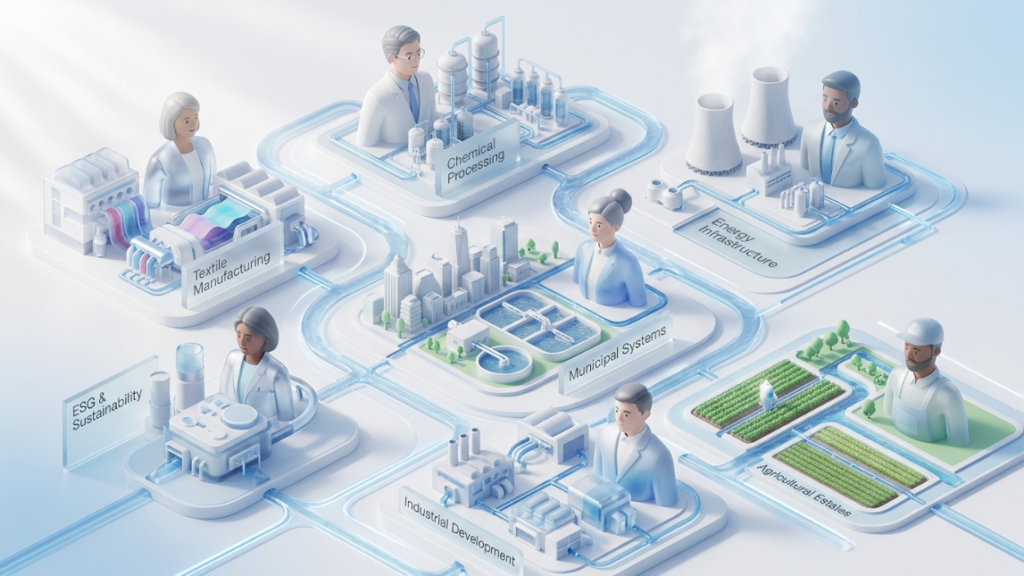
If your organisation consumes water, generates wastewater, operates industrial processes that use water, manages municipal drainage, enforces environmental compliance, reports ESG metrics, develops industrial parks, and/or plans future production capacities -
The answer is almost certainly yes; wastewater treatment is very much relevant, rather integral to what and how you operate.
However, as water is increasingly carrying operational risks, compliance challenges, sustainability metrics, and financial variables, for a water treatment company to be the centre of conversation is no longer simply and merely about disposal. It becomes more about efficiency, resilience, and resource security.
The water treatment infrastructure becomes critical.
Most professionals are familiar with an STP plant, or sewage treatment plant, but its significance extends far beyond sanitation. A modern sewage water treatment plant collects wastewater before it enters groundwater systems, urban drainage networks, rivers, lakes and oceans.
Water can be recovered and reused for landscaping, flushing, cooling systems, construction activities, and public infrastructure through scientifically engineered and designed sewage treatment plant processes involving screening, aeration, biological treatment, clarification, filtration, and disinfection. Every litre that is reused reduces pressure on freshwater resources. In effect, an STP Plant allows a growing urban population to create a supplementary water source from the very water that would otherwise be carelessly discarded.
Industrial treatment systems solve an immensely different challenge, much larger in scale too. An ETP Plant, or effluent treatment plant, is designed around the specific characteristics of industrial wastewater.
Textile processing plants need treatment systems that are capable of handling colour removal, high TDS streams, dye contaminants, and such high-volume chemical concentrations. Effective water treatment for textile business operations often combines equalisation techniques, biological treatment systems, membrane systems, evaporation technologies, and advanced recovery infrastructures.
On the other hand, wastewater resulting from chemical manufacturing facilities frequently requires chemical treatments, advanced oxidation systems, biological processing techniques, and increasingly sophisticated electrochemical technologies to address their complex contamination requirements.
Energy producers require water management for cooling-water systems, process-water recovery, electromagnetic water descalers, filtration, and water recycling.
Water technologies and water treatment systems are evolving rapidly. Modern water treatment plants, water filtration plant systems, and advanced wastewater treatment plant facilities may incorporate dissolved air flotation, biological reactors, membrane bioreactors, ultrafiltration, reverse osmosis purification, sludge dewatering systems, evaporation technologies, advanced oxidation processes, and DAF water treatment solutions.
Increasingly, automation, sensors, predictive monitoring, and electrochemical technology are helping businesses improve efficiency while reducing operating costs. What appears to be a simple treatment facility from the outside is often an intelligently engineered system processing millions of litres of water every day.
The economics behind this shift are becoming impossible to ignore.
- Groundwater extraction is becoming more regulated, hence expensive and scarce across most industrial regions.
- Water-intensive industries face rising procurement costs.
- Climate variability is creating uncertainty around future supply.
- Investors increasingly evaluate environmental plus financial performance.
- Global buyers and export markets are asking more questions about sustainability, water consumption, and discharge quality.
In response, industrial waste water treatment, sewage treatment, and advanced wastewater treatment systems are increasingly being viewed as productivity infrastructure rather than compliance infrastructure. Many organisations are also discovering that substantial value already exists within their wastewater streams. Water used in their manufacturing, washing, cooling, sanitation, and utility systems often retains significant recovery potential.
This shift is transforming the purpose of wastewater treatment from pollution control toward resource recovery and operational efficiency.
Cities are arriving at similar conclusions
India's urban population has grown from >17% in 1950 to >40% today, and is expected to continue rising significantly in upcoming decades.
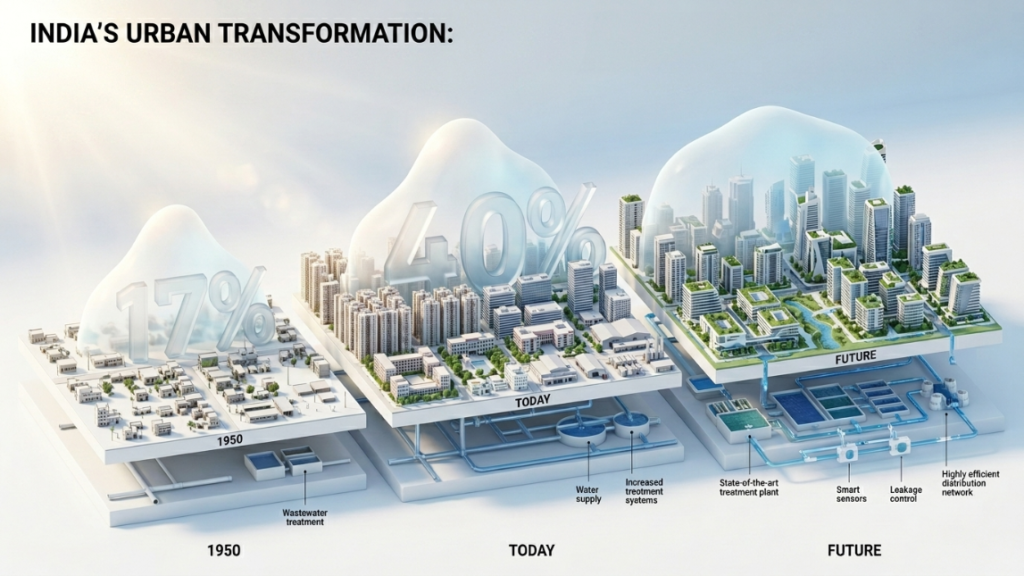
Every residential complex, Commerce/IT hub, industrial corridor, university/healthcare campus, and manufacturing cluster dramatically increases demand for its water infrastructure, with significant progress in business.
Roads, power grids, and telecommunications networks often receive the most attention, yet effective sewage water processing and sewage wastewater treatment plant infrastructure - which are equally essential to sustainable urban growth - are neglected in mainstream policy and budget conversations more often than not.
Cities that invest in water treatment capacity before scarcity becomes a crisis are often the ones that would have managed their water systems more progressively.
Jaskan is built around a simple belief: the future of water lies not only in sourcing more of it, but in recovering, treating, and reusing what already exists. Through STP Plant infrastructure, ETP Plant systems, advanced water filtration plant solutions, water treatment plants, electrochemical technology, and wastewater treatment and reuse capabilities, Jaskan works toward a more resilient water future where growth, industry, and sustainability can progress together.
Remediating Future is an ongoing knowledge initiative by Jaskan Nanotechnologies that explores water, industry, sustainability, infrastructure, technology, policy, and resource resilience. Through research, insights, case studies, and stories from across the world, we aim to make the future of water more understandable, accessible, and actionable for industries, communities, and decision-makers alike.
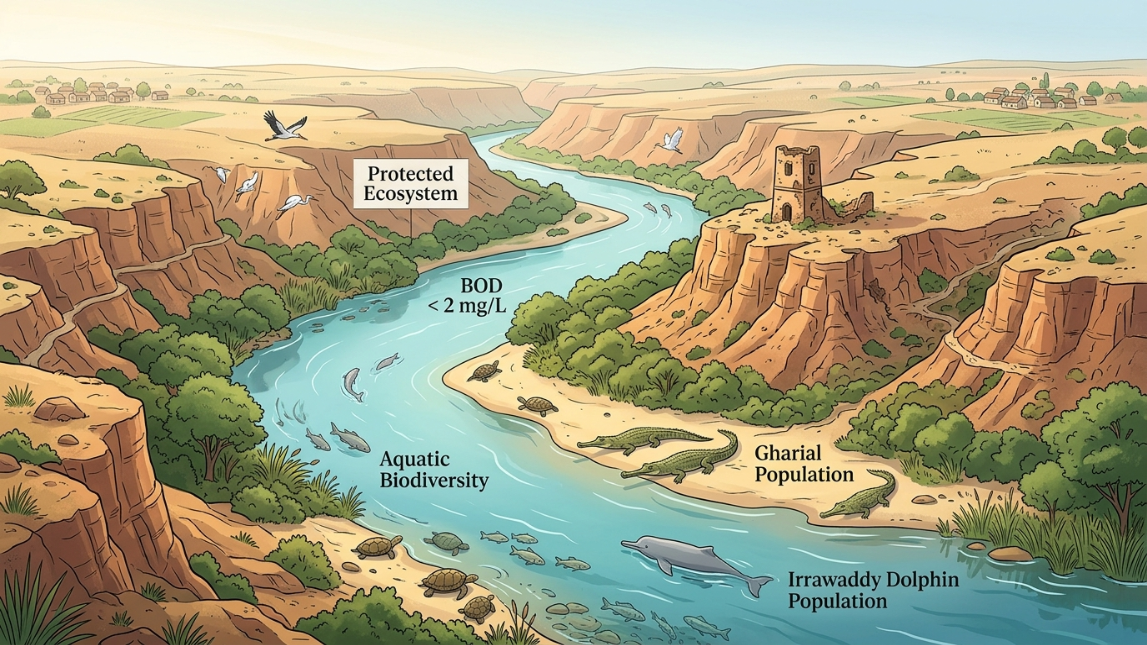
India’s Cleanest Rivers
The truth about India’s rivers that unfortunately never makes it to the news is that not every river is in...
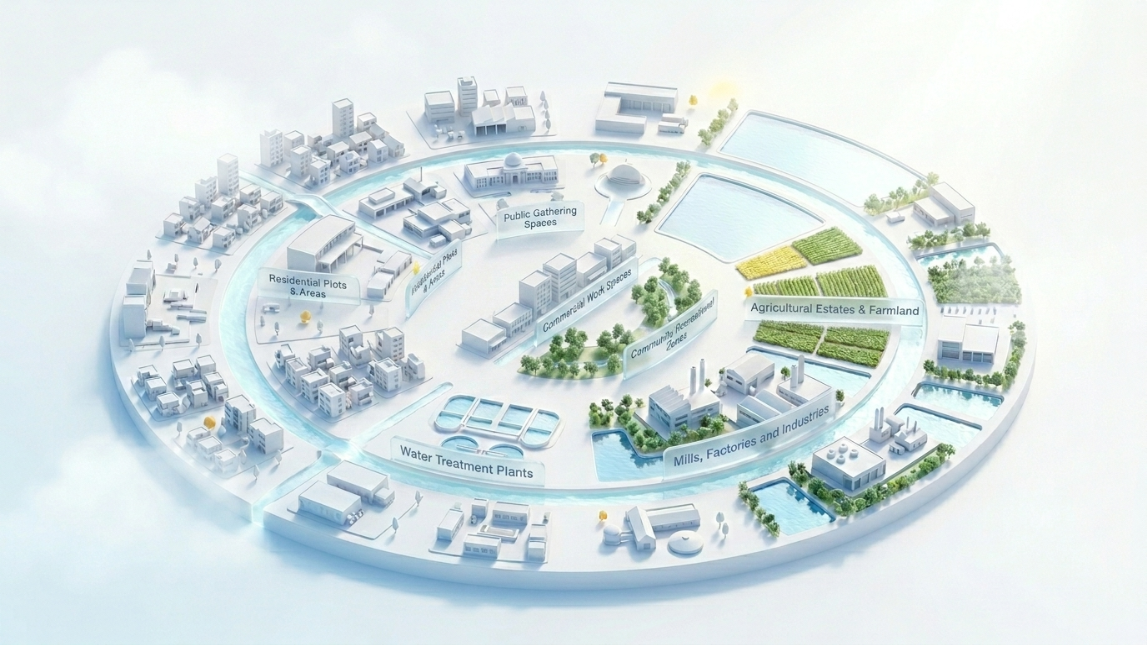
India can recycle >40% of its Sewage Water
India generates over 72,000 million litres of sewage water every single day, which is enough water to fill about 29,000...
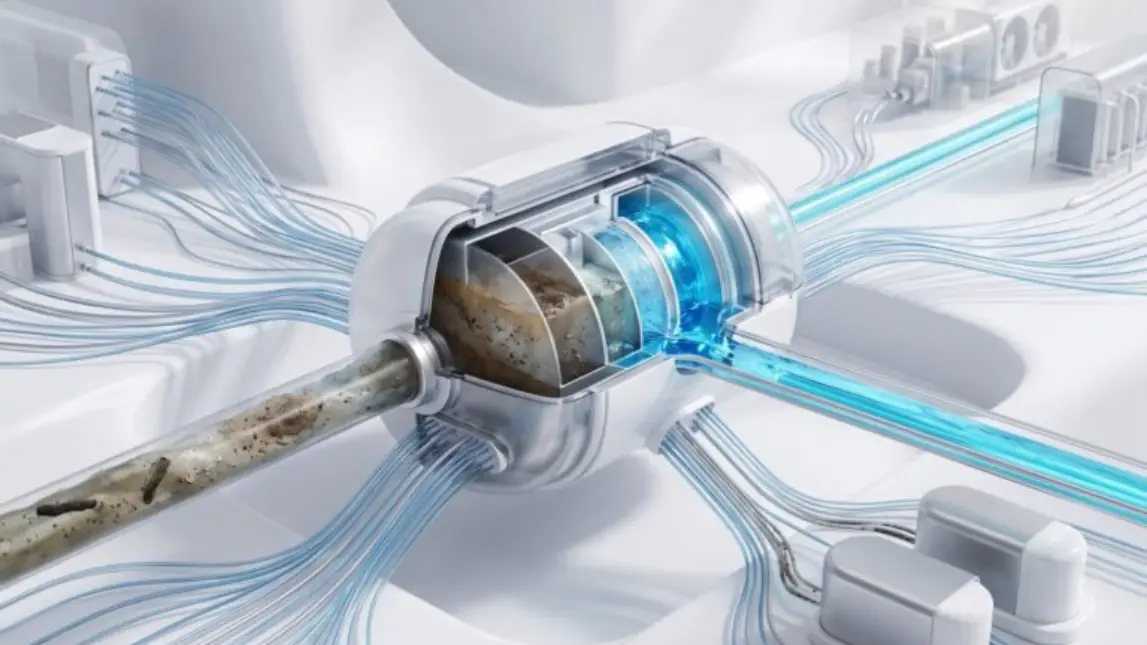
ZLD: A ‘Liquid’ Investment Asset
Freshwater demands globally are projected to exceed the current sustainable supply numbers beyond 40% by the year 2030. The water...