India’s Reservoirs are Only 28% Full
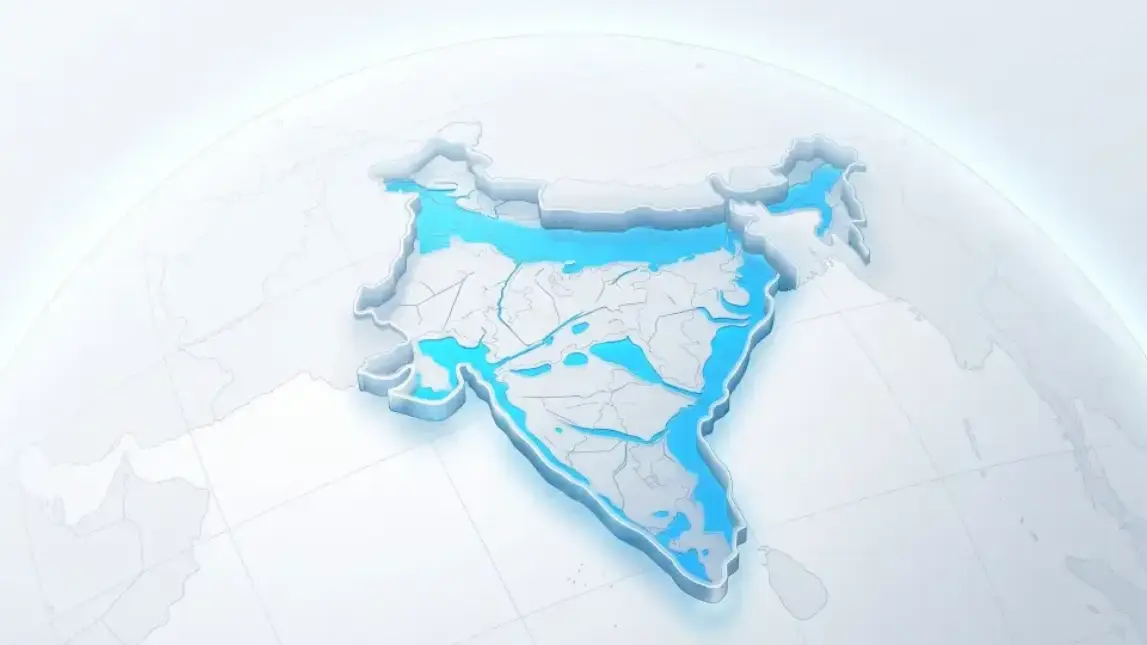
Kutch’s Banni grassland is one of Asia’s largest tropical grasslands. Located along the edge of the Rann, it is shaped by monsoon rains, seasonal flooding, and the movement of the Maldhari communities. Researchers have documented severe groundwater depletion across the Banni region between 2024 and 2026.
Banni receives such attention because its landscape is so vast that the decline in its wetland topology can be seen from space.
India’s national reservoir levels have also been recorded at only a meagre 28%. 166 of our national reservoirs hold only a combined live storage capacity that is enough to fulfil the water needs of over a billion people for a little over 2 years.
The taking away of more than just Water
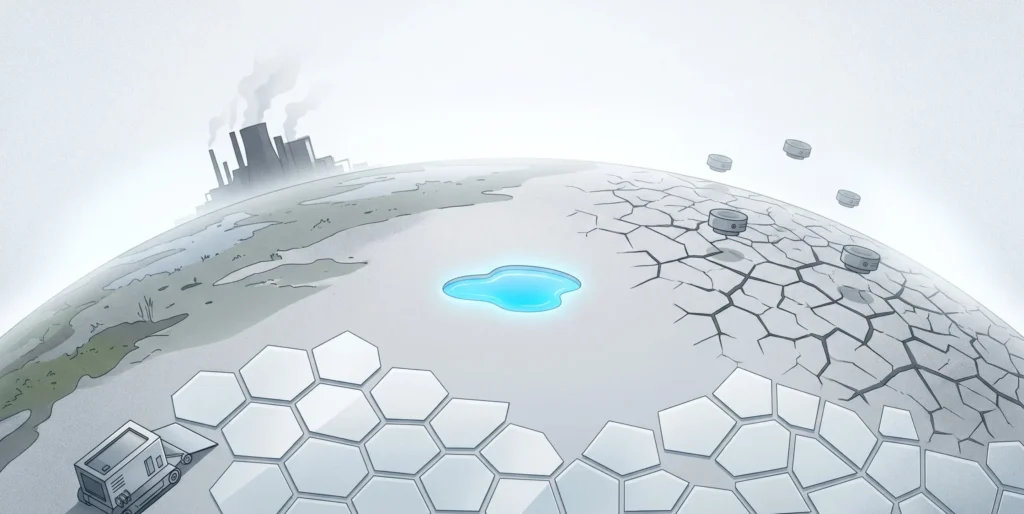
Groundwater depletion is not caused by extraction of water alone. Recharge also plays a vital role in the conservation of the ecology. Paved surfaces, wetlands damaged by industrial and chemical runoffs, and excess synthetic fertiliser use resulting in polluted soil weaken the cycle of restoration for groundwater.
Vapi, Gujarat, is one of Asia's biggest industrial estates. Its chemical and pharmaceutical units have adversely affected local water systems. Communities around the Vapi GIDC have depended on water tankers for decades, since the Damanganga River is laden with industrial pollutants owing to consistent runoff.
Industrial water use is one of the most prominent factors across the globe when it comes to groundwater depletion. Manufacturing and processing plants may draw water from rivers, reservoirs, or borewells for processing, cooling, washing, etc. But if the used water containing dyes, toxins, chemicals and other pollutants is discharged without suitable wastewater treatment, it is not only lost in a physical sense, but lost from a safe and efficient ecological circulatory process.
India and its Unreachability with Water
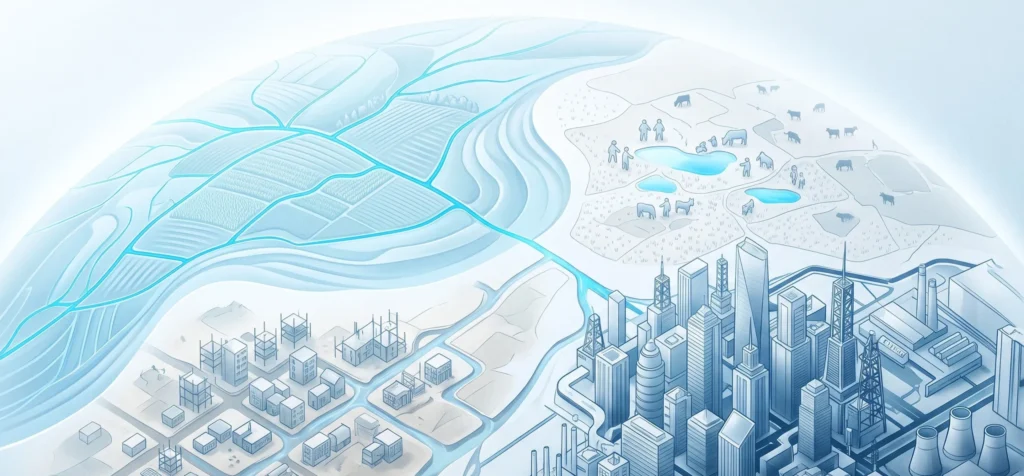
India's water paradox begins with its geography. The Brahmaputra basin holds an estimated 592.32 billion cubic metres of average annual water resources, while the Sabarmati basin holds just 9.87 billion cubic metres.
India contains both extraordinary abundance and severe scarcity, making sustainable water management a question of geography as much as technology.
The imbalance continues underground as annual groundwater was estimated at 448.52 billion cubic metres, with 407.75 billion cubic metres classed as extractable and 247.22 billion cubic metres extracted annually.
Agriculture accounted for approximately 87% of groundwater extraction. 166 major reservoirs were reported at 28.28% of live storage capacity on 11 June 2026.
There is a dire need for better waste water management and planning that accounts for changes in these water availability numbers.
There is water that India uses and fails to recover. Urban areas generated an estimated 72K MLD sewage in 2020–21, but only 20K MLD—28%—was actually treated.
The gap puts pressure on rivers, groundwater and municipal supplies. Expanding sewage water management, strengthening the capacity of every STP plant, and making treated water available for appropriate uses could help cities reduce their dependence on freshwater sources
The Same India with Different Water Problems
In Kutch's Banni, water scarcity is tied to a fragile landscape, saline conditions, seasonal rainfall and the livelihoods of Maldhari pastoral communities. Elsewhere, the Brahmaputra valley receives enormous volumes of water yet faces recurrent floods. Abundance does not automatically mean dependable supply. In dry regions, water filtration plant infrastructure and groundwater recharge may be part of the response, but the solution must begin with understanding the local water source.
In Tiruppur, Tamil Nadu, textile dyeing units have used zero liquid discharge systems since 2010. Around 100 million litres of dyeing wastewater are reportedly treated each day, with approximately 92 million litres recovered for reuse. Yet about 120,000 tonnes of mixed salt have accumulated as treatment residue. The experience shows what a zero liquid discharge plant can achieve, while exposing the difficult question of what happens to the concentrated waste left behind. Better wastewater treatment and reuse must account for both recovered water and the material that cannot simply be discharged.
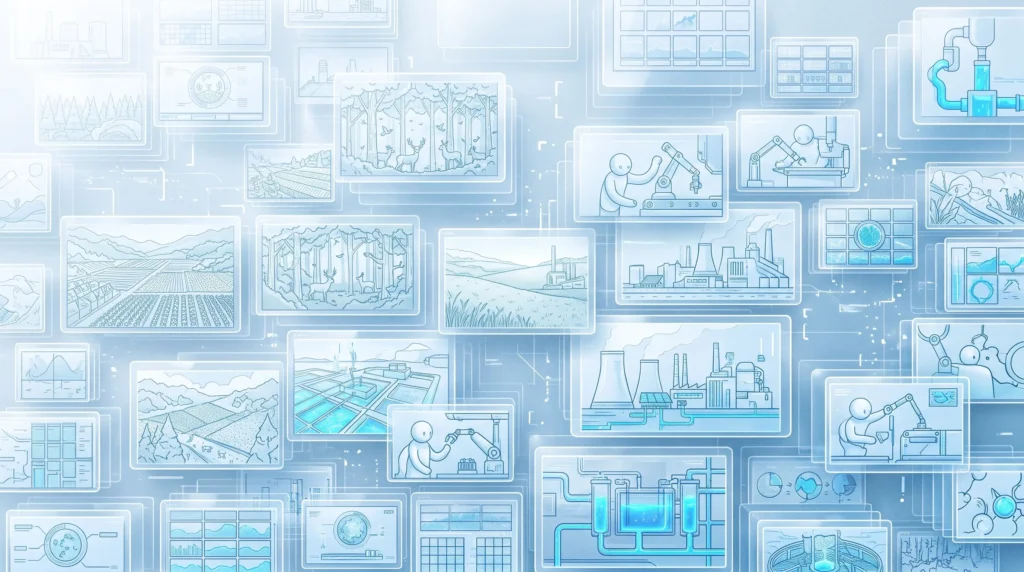
In urban India, the problem often begins before treatment. Sewage moves through drains and into lakes, rivers and groundwater when collection networks or treatment capacity fall short. In industrial belts such as Vapi in Gujarat, polluted effluent creates a different burden: water may be physically present but unsuitable for use without treatment. An effective ETP plant, supported where appropriate by electrochemical technology, can help industries treat difficult wastewater streams and recover reusable water. The wider aim is not simply to clean what has been polluted, but to make waste reusage and responsible water recovery practical parts of India's industrial and urban water systems.
Wastewater Treatment is not the end of the Process
Wastewater is not automatically unusable water. It is merely filthy water carrying substances that require removal, separation, or neutralisation of pollutants.
Electrochemical wastewater treatment results in the closest form of absolute purification of wastewater. However, it needs further examination to be categorically channelled into activities for optimal and relevant reuse.
Drinking water applications require stricter and more advanced treatment and monitoring than industrial or commercial applications. This distinction should encourage improved planning and resource allocation.
Remediating the Future
Tirupur (TN) and Ludhiana (PB) demonstrate an exemplary journey in wastewater treatment systems. Tirupur's adoption of ZLD setups helped recycle up to 95% of its process water. This has prevented over 100 million litres of toxic effluents from poisoning downstream farmlands every single day. Ludhiana has scaled up from outdated traditional treatment plants to modern wastewater management. This has resulted in 70% reduction in untreated toxic industrial loads that were previously flowing into the shared river ecosystems that fed Punjab's farmlands.
The broken paradigm of wastewater reclamation and reuse is getting fixed up as water-stressed regions across India are becoming more aware, educated and accepting of the problem - which is the first step towards postulating a solution.
Current and upcoming wastewater treatment and water reuse infrastructures are turning toxic, unusable water into purified, reusable water systems for industrial, domestic, commercial and agricultural applications.
Remediating Future is an ongoing knowledge initiative by Jaskan Nanotechnologies that explores water, industry, sustainability, infrastructure, technology, policy, and resource resilience. Through research, insights, case studies, and stories from across the world, we aim to make the future of water more understandable, accessible, and actionable for industries, communities, and decision-makers alike.
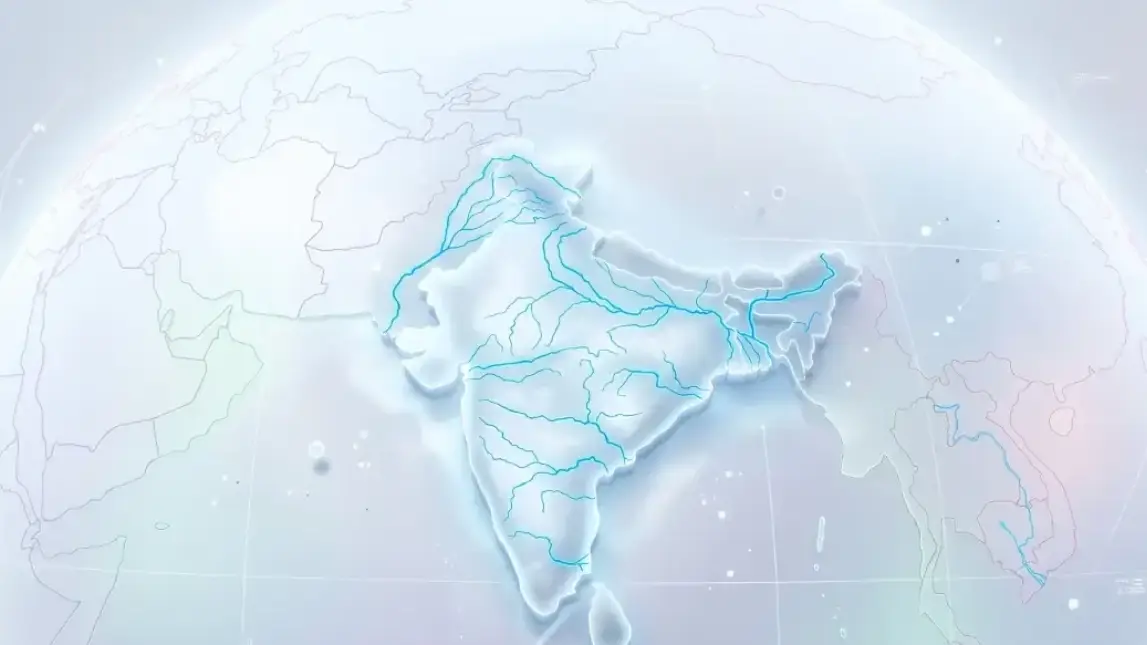
What is Wastewater Management, and why does India need to have it?
Around 71% of Earth’s surface is covered with water, yet only 2.5% of it is available as freshwater, and only...
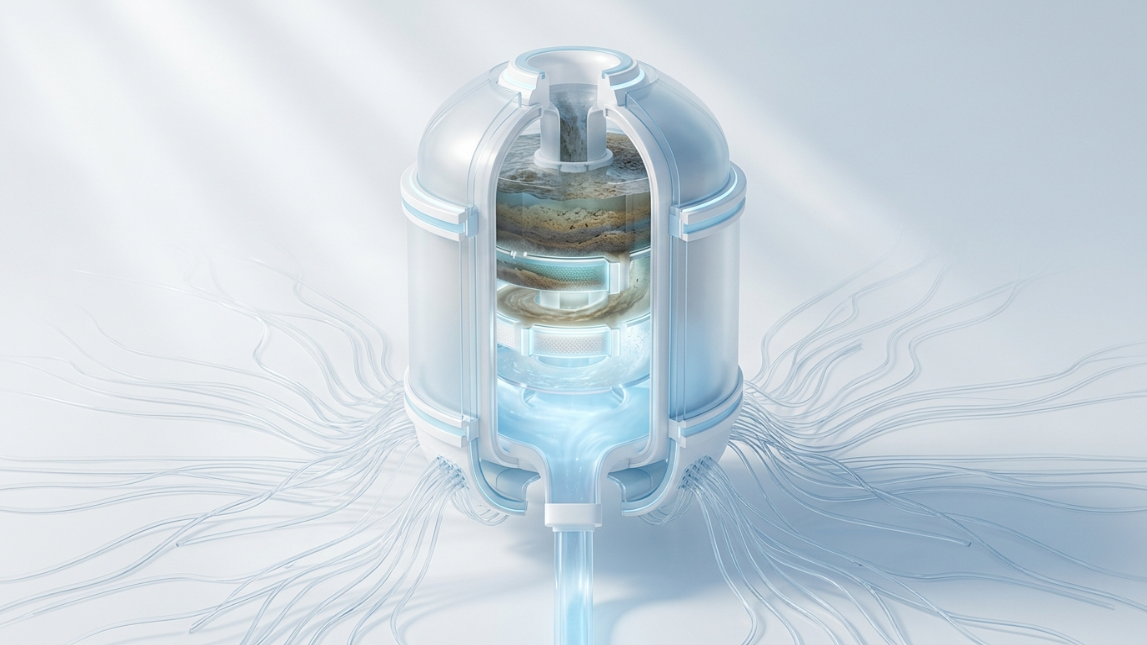
Treated Water: The New Life-Saving Resource
Treated Water – the New Life-Saving Resource The world consumes approx. 7mn litres of freshwater every minute. By 2030, global...
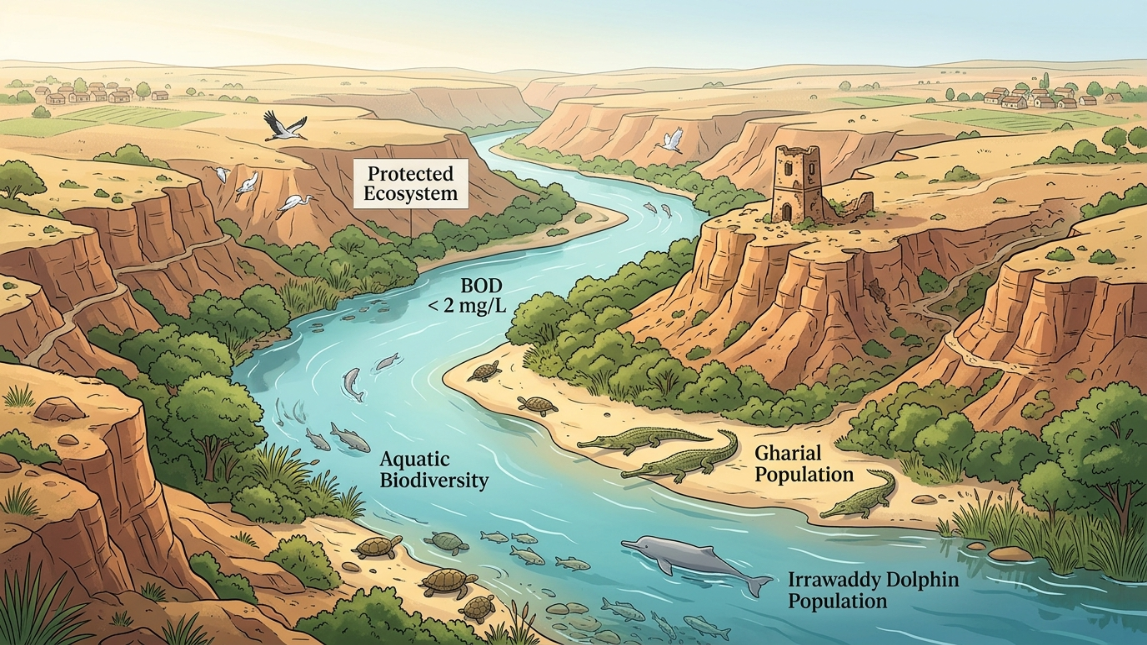
India’s Cleanest Rivers
The truth about India’s rivers that unfortunately never makes it to the news is that not every river is in...