What is Wastewater Management, and why does India need to have it?
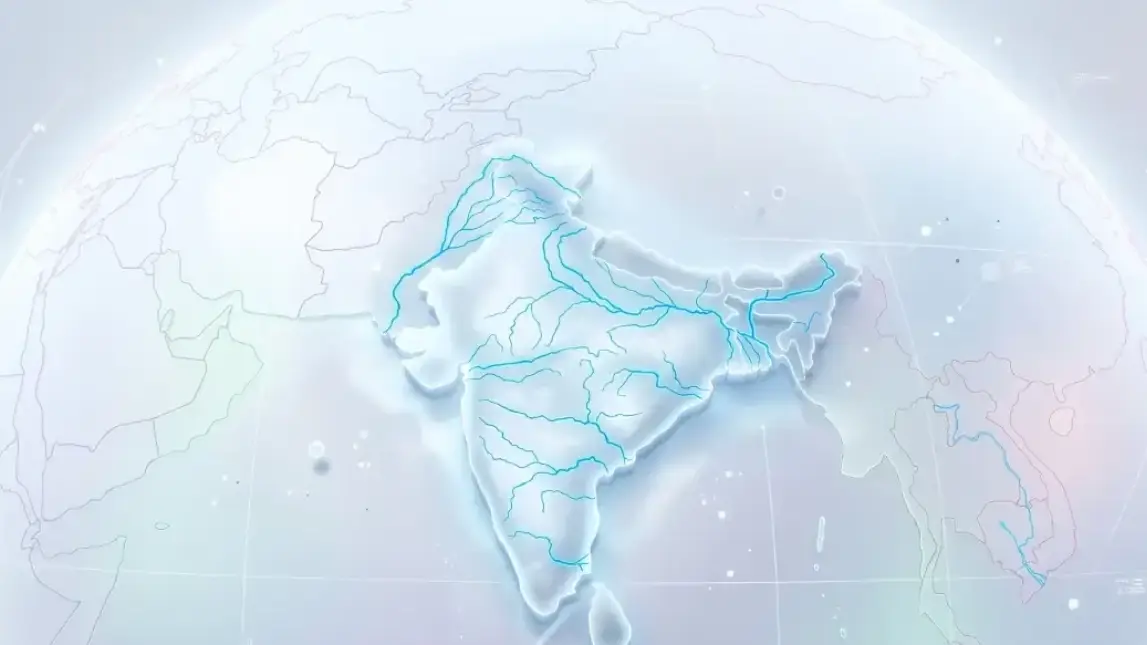
Around 71% of Earth’s surface is covered with water, yet only 2.5% of it is available as freshwater, and only about 0.007% is available for human consumption. Throughout the centuries, the average amount of water has really remained pretty much the same. With an explosion in the human population worldwide, the number of people depending upon the resource has grown tremendously. Consequently, many countries undergo severe water shortages owing to multiple factors.
However finite, water is undoubtedly an essential resource for daily survival. This makes the dialogue about its conservation a more dire necessity. There can be multiple ways of preserving and reusing water, thus managing it better.
Wastewater Management happens to be one of the most effective ways of making it happen.
What is Wastewater Management?
Water which has been utilised once and is released back into the environment as it is rendered useless can, in fact, be treated and put to use again. Domestically used water such as bathing, using the loo, and household cleaning chores, or agricultural run-off water, or commercially or industrially discarded water that contains chemicals, micro-organisms, toxins and pollutants, can all be upcycled for efficient reuse.
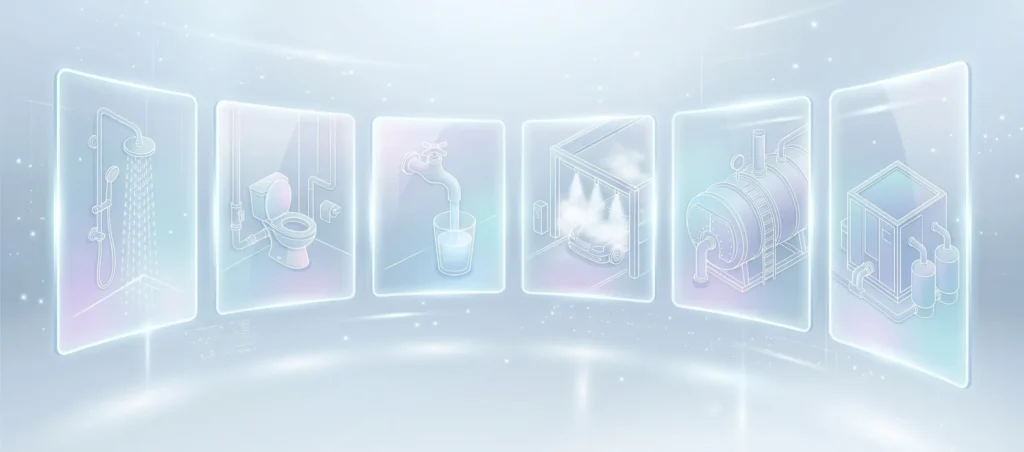
Wastewater Management Systems make use of chemical and/or biological treatment plants. Wastewater contains ~99.9% water and 0.1% waste by weight. Organic matter, Pathogens, particulates and dissolved solids, and chemicals like ammonia and nitrate, among others, constitute most of wastewater.
How does traditional Wastewater Treatment work?
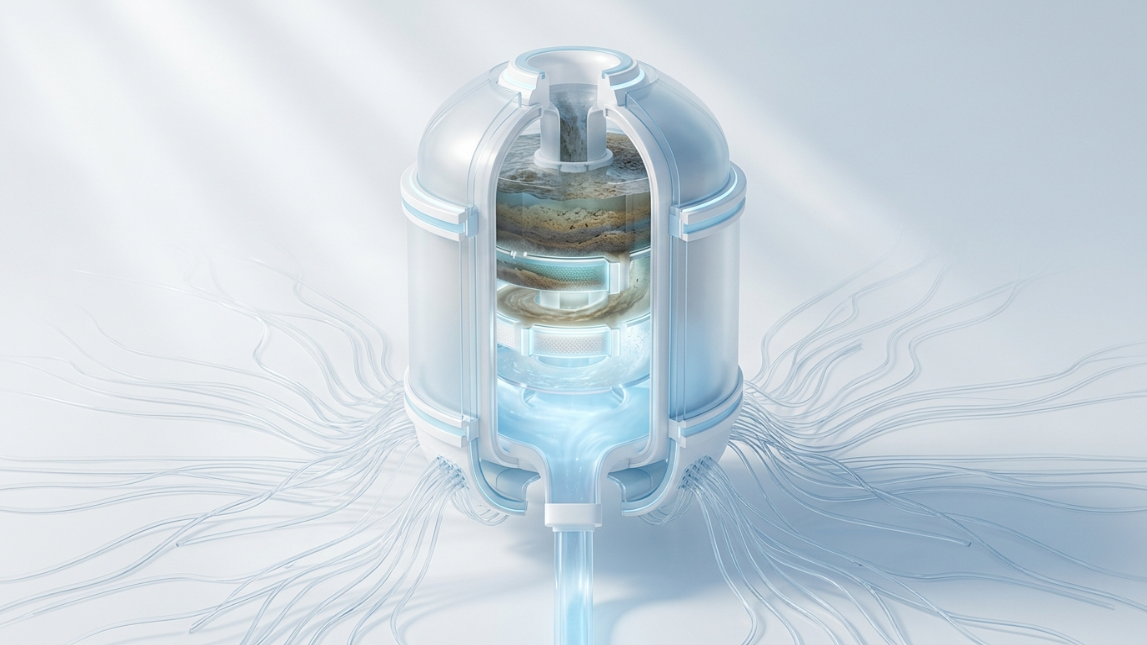
In the first stage, wastewater enters the treatment chamber and flows through a screen. This is the pre-treatment phase, in which all the solids are segregated and discarded. Moving forward into the grit chamber, particulate matter, minuscule pieces, and shards of glass, plastics, organic matter, etc. are pushed to the bottom. At this stage, many plants employ a skimming process to separate the grease, oils and chemical froths from the water surface.
The water reaches and flows through some tanks and basins where contaminants are separated and settle at the bottom of the tanks in the form of ‘sludge’. Sludge is furthered and processed in what is called a ‘digester’. Majority of the solid waste and particulate matter has been discharged from the wastewater by this stage. Preliminary technologies will stop their treatment at this point and deliver the substantially treated wastewater, repackaged as reusable water.
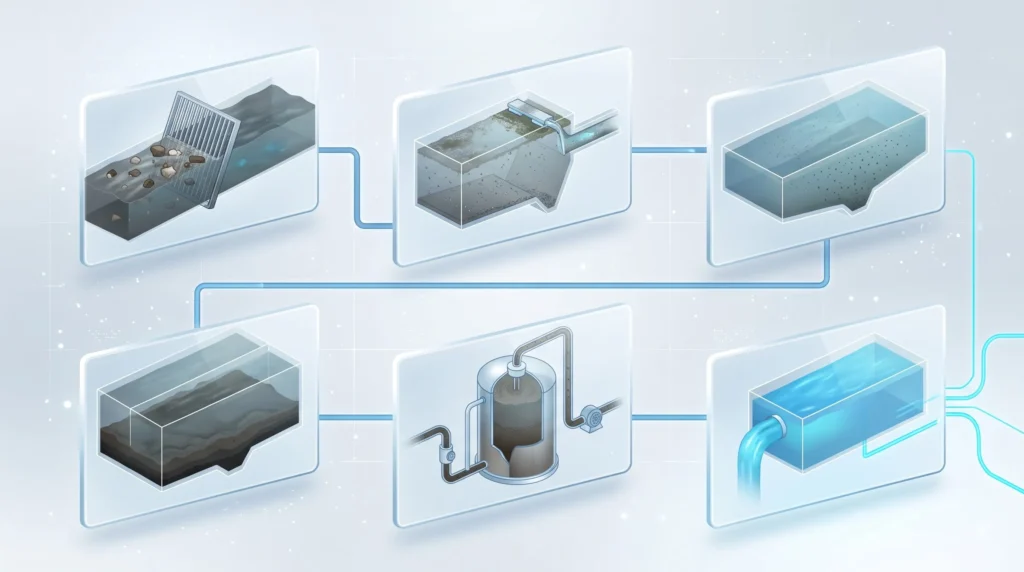
However, some systems such as Jaskan Nanotechnologies (India) employ a more advanced technology wherein the water treatment process takes place differently for Effluent Treatment Plants (ETPs) and Sewage Treatment Plants (STPs).
India is undergoing water crises across the country
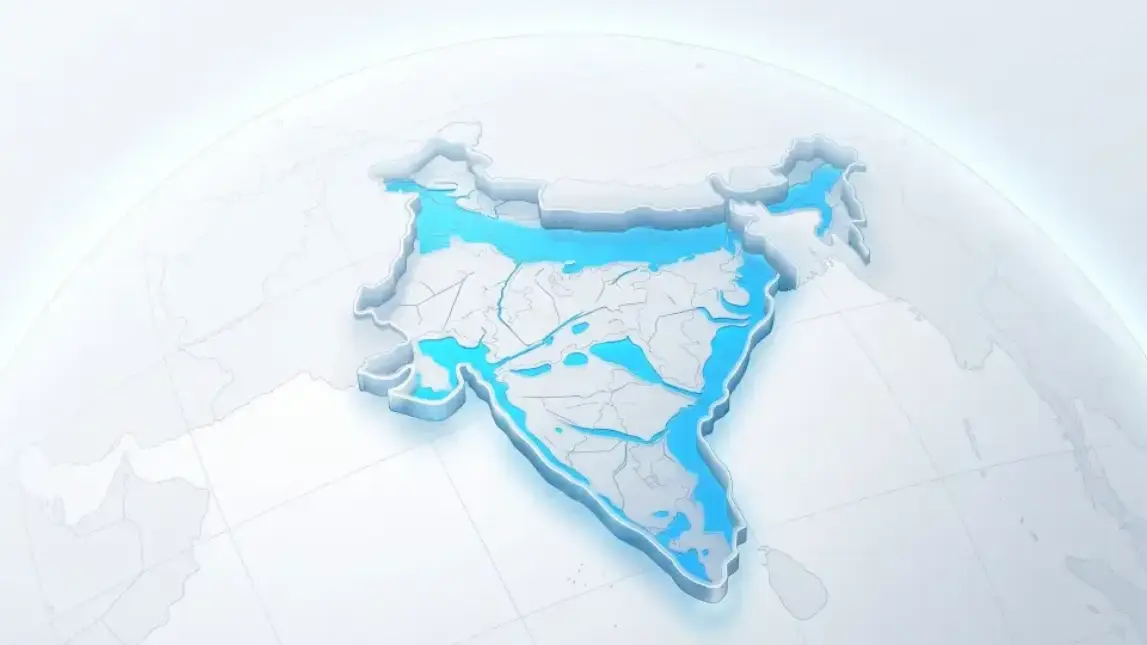
India supports 18% of the world’s human population, yet holds under 4% of global water resources. As India’s groundwater aquifers begin to fade away, estimates show that India’s total water demand will wipe out its available supply by 2030.
CPCB data indicates that India’s metropolises generate 72K+ MLD of municipal sewage. This is a goldmine for wastewater treatment companies. Over 40k MLD currently flows back into the ecosystems unchecked and untreated. As India readies to scale up for the next boom of data centres for AI technologies, this parity will cause massive collateral damage to the socio-ecological systems.
To lawfully treat industrial and commercial wastewater, manufacturers are mandatorily required to install their individual ETPs. However, traditional ETPs are dependent on chemicals, space, and slow biological degradation through ‘digesters’. This is adequate only for basic organic waste and is not suitable for handling heavy industrial toxins. ETPs and STPs for textiles, chemicals and pharmaceuticals require wastewater treatment of complex chemical compounds, heavy metals, toxins and dyes.
Conventional domestic sewage treatment plants are incredibly fragile, and even a moderate toxin contact can end up shutting down the whole system, thereby jeopardising the wastewater treatment process.
Electrochemistry and Nanotechnology in Wastewater Treatment
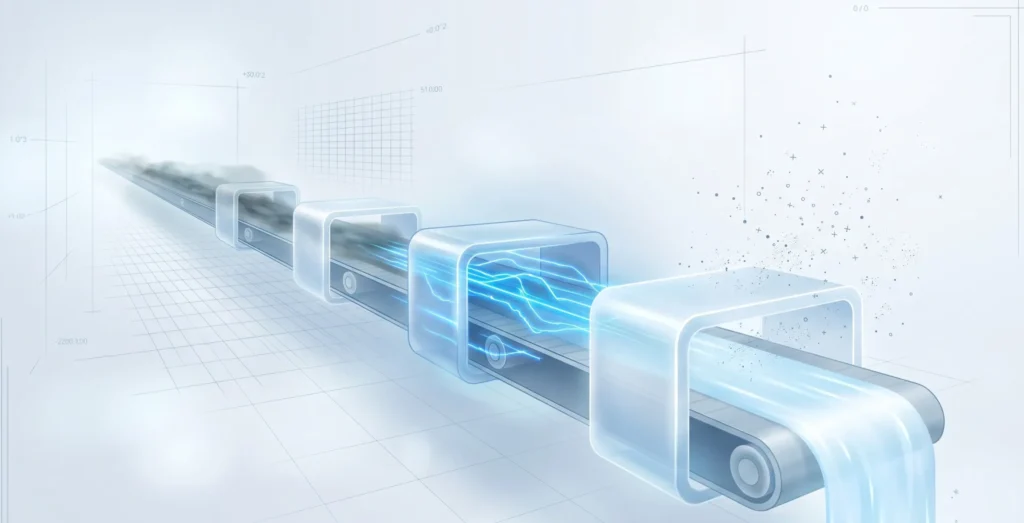
Operational bottlenecks of traditional and ancient wastewater treatment systems require more forward-thinking, transformative technology. Electrochemical purification fixes the wastewater at a molecular level by passing through controlled electrical currents and forcing dissolved pollutants to destabilise and get filtered out instantaneously.
The embedding of electrochemical nanotech creates superior water purification through rapid oxidation of organic pollutants, breaking down toxic industrial chemicals, and killing pathogens upon contact.
The system also triggers electrocavitation, doing away with the need for bulky chemical additives or a separate DAF water treatment (Dissolved Air Flotation) unit.
The end result is a complete purification of wastewater, while producing up to 90% less sludge.
India’s Foray into Reclamation and Reuse of Wastewater
In crowded Indian cities with urban sewage piling up and clogging pipelines, there is scope and opportunity to treat wastewater through more efficacious systems and advanced technologies.
For chemical and manufacturing hubs across India, such as Gujarat, Maharashtra, Uttar Pradesh, Tamil Nadu, West Bengal, etc., these devised systems can achieve up to 95% water recovery rates. Extremely grey, polluted industrial effluent run-offs can be efficiently converted into purified, reusable water going back to production lines and for cooling down data centres.
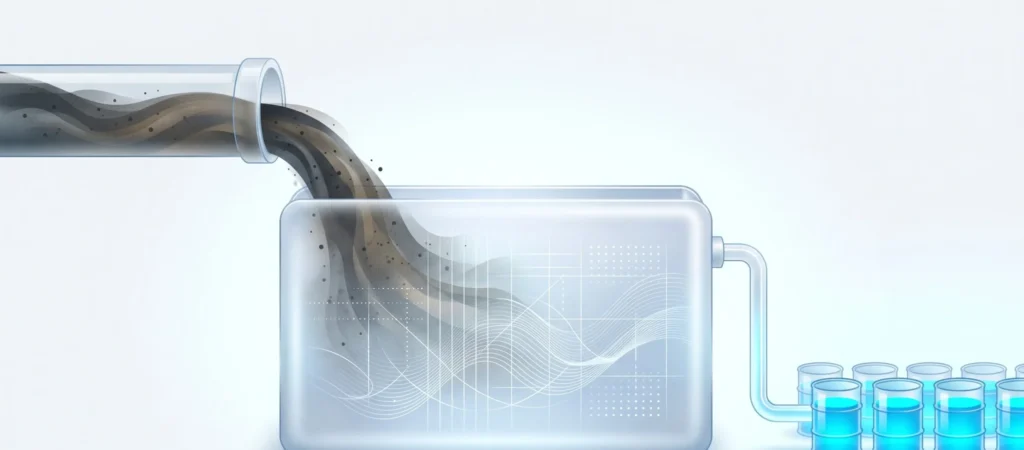
This would trickle down as an impact by rejuvenating the ecological catastrophe in water-sensitive areas of Rajasthan, Maharashtra, Madhya Pradesh, Gujarat, Andhra Pradesh, and Tamil Nadu, to name a few.
Remediating Future is an ongoing knowledge initiative by Jaskan Nanotechnologies that explores water, industry, sustainability, infrastructure, technology, policy, and resource resilience. Through research, insights, case studies, and stories from across the world, we aim to make the future of water more understandable, accessible, and actionable for industries, communities, and decision-makers alike.
India’s Reservoirs are Only 28% Full
Kutch’s Banni grassland is one of Asia’s largest tropical grasslands. Located along the edge of the Rann, it is shaped...
Treated Water: The New Life-Saving Resource
Treated Water – the New Life-Saving Resource The world consumes approx. 7mn litres of freshwater every minute. By 2030, global...
India’s Cleanest Rivers
The truth about India’s rivers that unfortunately never makes it to the news is that not every river is in...